
Are Low-Odour Embalming Chemicals Safe?
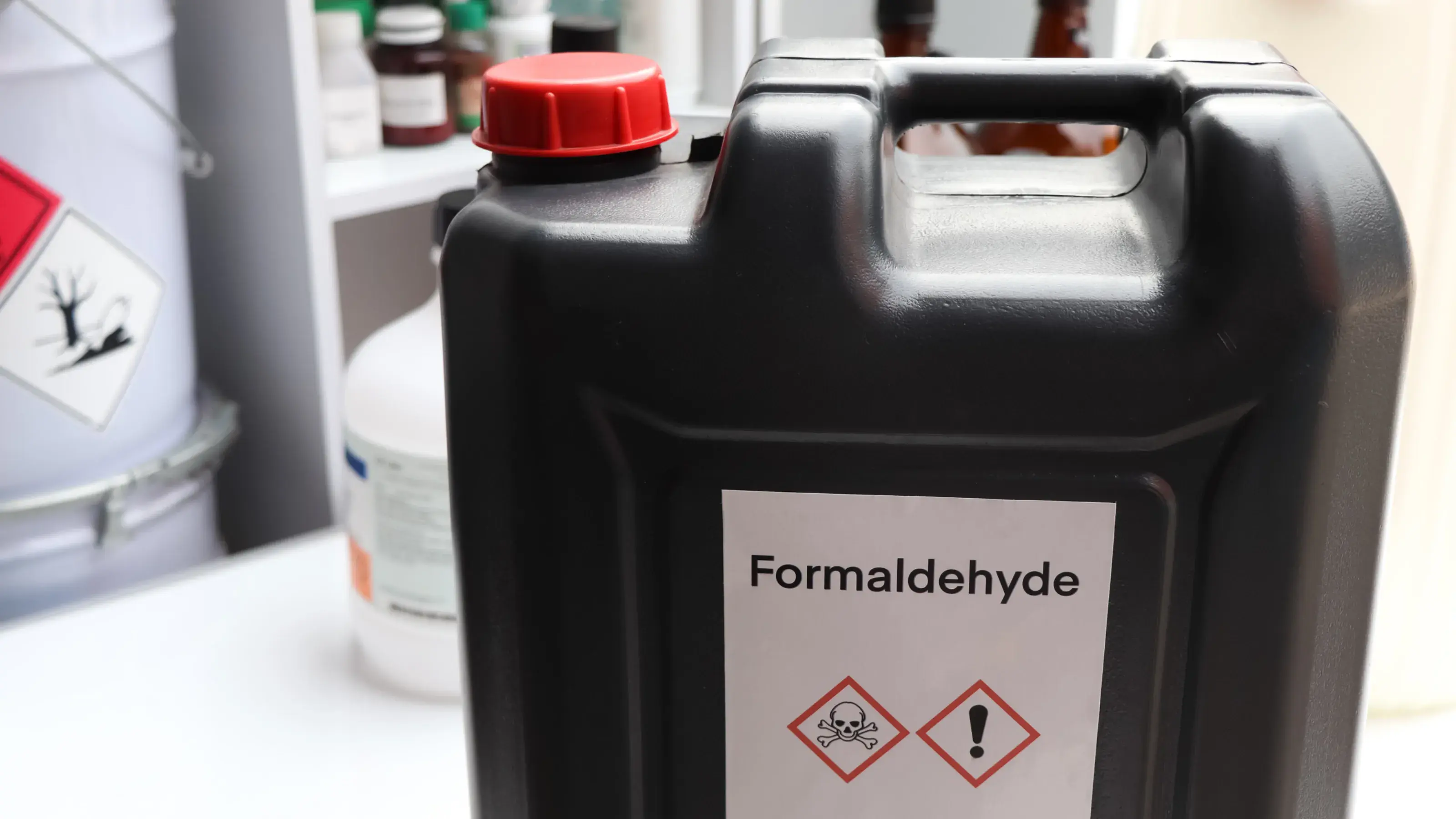
"Low-odour embalming chemicals still carry risk. Learn why smell is not a safety measure and why the Safety Data Sheet and a fit-tested respirator matter."
Low-odour embalming chemicals sound like a welcome step forward, but a pleasant smell and a safe workplace are two very different things. A dangerous idea has been spreading on prep room floors, and it goes something like this: if I can't smell the chemicals, I don't need a respirator. As professionals and educators, we welcome innovation. Better products, better ventilation and better working conditions are all good things. What we cannot welcome is a belief that treats the absence of smell as the absence of risk, because that belief can quietly harm the people who hold it. This article is a factual reality check for every embalmer, mortuary manager and student. It explains why removing the smell does not remove the hazard, what the smell was actually telling you, and the simple rule that keeps you protected whatever product you are using. No. Many modern fluids reduce the sharp smell of traditional preservatives by adding masking agents, heavy deodorants or alternative stabilising chemicals. The active fixatives are still present, and they can still evaporate into the air you breathe. The difference is that you now smell wintergreen, citrus or perfume instead of raw aldehydes. Think of it like putting a pleasant air freshener in a room with a gas leak. The room smells nicer, and the leak is exactly as serious as before. A product marketed as low-odour or fume-free may still contain ingredients with respiratory hazards. The only reliable way to know is to read the Safety Data Sheet, which sets out hazard classifications, exposure information and recommended controls. This article does not refer to or critique any specific product, brand or manufacturer, and every practitioner should consult the Safety Data Sheet supplied with the chemicals they actually use. For many practitioners, the sharp sting of traditional formaldehyde has acted as an informal safety feature. A strong smell can be an early sign that ventilation is failing, a container has been left open or a respirator is not sealing properly. When that smell is masked, the warning disappears. It is important to be fair about this: smell was never a perfect alarm. Noses adapt to odours over time, which means you can stop noticing a smell even though the chemical is still present. Sensitivity also varies between people. A practitioner can therefore be breathing in low levels of vapour for long periods without any sensory prompt to take action. That is the heart of the trap. When the natural cue is turned down, discipline has to replace it. Controls must be based on data and procedure rather than on what the nose happens to report. The basic science of embalming relies on chemical agents cross-linking proteins to stop decomposition. A fluid strong enough to stabilise tissue in a body cavity is chemically capable of affecting living tissue as well. Your airways, lungs, eyes and skin are made of protein. Formaldehyde is classified in Australia as a carcinogen and sensitiser, and SafeWork NSW's technical fact sheet on formaldehyde notes that exposure has been associated with a risk of nasal cancer, although that risk is expected to be low below the exposure standard, and that long-term exposure can cause asthma-like symptoms. The workplace exposure standard for formaldehyde is 1 ppm averaged over eight hours, with a short-term limit of 2 ppm. The key lesson is that harm does not depend on how pleasant a product smells. It depends on what the chemicals are, how much you inhale and for how long. Never let your nose do the job of a Safety Data Sheet. If the Safety Data Sheet lists respiratory hazards or a carcinogenicity classification, the product requires proper respiratory protection. In practice, that means a sealed, fit-tested elastomeric respirator fitted with cartridges rated for formaldehyde and organic vapours, selected according to the Safety Data Sheet and the manufacturer's guidance. Selection, fitting and maintenance should follow the relevant Australian and New Zealand standard for respiratory protection, referred to in the SafeWork NSW material as AS/NZS 1715. The Safety Data Sheet answers questions your nose cannot, including: What are the hazards of each ingredient? Is the substance classified as a carcinogen or sensitiser? What exposure standards apply? What ventilation and respiratory protection are recommended? What first aid is needed after exposure? Respirators matter, but they are not the first line of defence. Under Safe Work Australia's hierarchy of controls, the most effective measures are eliminating or substituting hazards, followed by engineering controls such as extraction and ventilation, then administrative controls such as procedures and training, with personal protective equipment last. A good prep room therefore combines several layers: Ventilation and extraction that draws vapours away from the breathing zone. Closed containers and careful handling that limit evaporation. Air monitoring where there is uncertainty about exposure levels. Training and written procedures so every practitioner knows what to do. Properly selected and maintained respiratory protection as the final safeguard. Switching to a low-odour product may be a sensible improvement, but it should never be treated as a substitute for these controls. Managers and supervisors carry a particular responsibility here. Under work health and safety laws, a business must manage the risks of hazardous chemicals, and that includes checking that a change of product does not quietly weaken the controls that were in place before. When a new or low-odour fluid is introduced, a sensible review asks several questions: Has the Safety Data Sheet been read in full, and are its recommendations reflected in the procedure? Do the existing extraction and ventilation arrangements still suit the way the product is used? Does anyone need new training, a new fit-test or a different cartridge? Are staff being told that the product is "safe" in general terms, rather than being shown what the Safety Data Sheet actually says? Is there a clear way for staff to report symptoms and concerns without being dismissed? A short written review, shared with the whole team, costs very little. It also sends a clear message that safety decisions are made from evidence rather than from the pleasantness of a scent. If you are learning the trade, building safe habits now will protect you for decades. Here are the practical steps. Read the Safety Data Sheet for every chemical before you use it, and keep it accessible. Ask which respirator and cartridge the Safety Data Sheet and your workplace require, and make sure you are using them. Get properly fit-tested and carry out a seal check each time you put your respirator on. Know your cartridge replacement schedule and follow it, rather than waiting until you smell something. Treat a smell while wearing a respirator as a warning sign. Stop, move to fresh air and check your equipment. Report problems early, including ventilation faults, spills and symptoms such as irritated eyes or a sore throat. Notice that none of these steps depends on how a product smells. That is exactly the point. Families will never see a prep room, but they depend on the people inside it being well, alert and able to work for many years. A workforce that protects its health is a workforce that provides steady, careful, compassionate care. That care sits behind every choice a family makes. Some families select a Private Viewing & Cremation, where gentle preparation supports a calm, private goodbye. Others prefer an Attending Service & Cremation, where friends and relatives gather together, or a No Service Cremation for a simpler arrangement. Whatever the choice, the standard of safety behind the scenes does not change. If you would like to learn more about how each option works, you can explore all Black Tulip Funerals packages at your own pace. Are low-odour embalming products unsafe? If I cannot smell anything, am I safe? What should I do if I can smell fluid through my respirator? Who decides what respirator I need? Progress in the prep room is welcome, but it should be measured by evidence rather than by fragrance. Low-odour embalming chemicals may make a workspace more pleasant, and that is worth having. They do not change the science of what aldehydes can do to living tissue. Let us train the next generation to rely on Safety Data Sheets, proper controls and correct protective equipment. Protect your lungs, read the Safety Data Sheet and look after your health. At Black Tulip Funerals, the people who care for your loved one are supported to work safely, because careful, compassionate care begins with practitioners who are looked after themselves.The Prep Room Trap and Why Low-Odour Embalming Chemicals Are Not Automatically Safe
Does Removing the Smell Remove the Hazard?
What Was Your Nose Actually Doing for You?
Why Does "If It Fixes Tissue, It Can Fix You" Matter?
What Is the Golden Rule of Chemical Hygiene?
Myths and Facts About Low-Odour Products
Why Is Respiratory Protection Only One Layer?
How Should a Workplace Review Its Chemical Controls?
What Should Students and New Practitioners Do?
Why Does This Matter for Families?
Frequently Asked Questions
Not necessarily, and that is not what this article claims. The point is that low odour does not equal low hazard. Safety depends on the ingredients and the controls you use, which is why the Safety Data Sheet matters.
Not necessarily. Odour is an unreliable indicator because noses adapt and sensitivity varies. Rely on the Safety Data Sheet, ventilation and properly selected respiratory protection.
Treat it as a warning. Leave the area, check the seal, cartridges and ventilation, and do not resume until the problem is fixed.
Your employer has responsibilities under work health and safety laws, informed by the Safety Data Sheet and relevant standards. Ask your supervisor or assessor if you are unsure.Moving Forward With Data and Not Sensory Deception