
Formal Funeral Attire What to Wear and What to Avoid
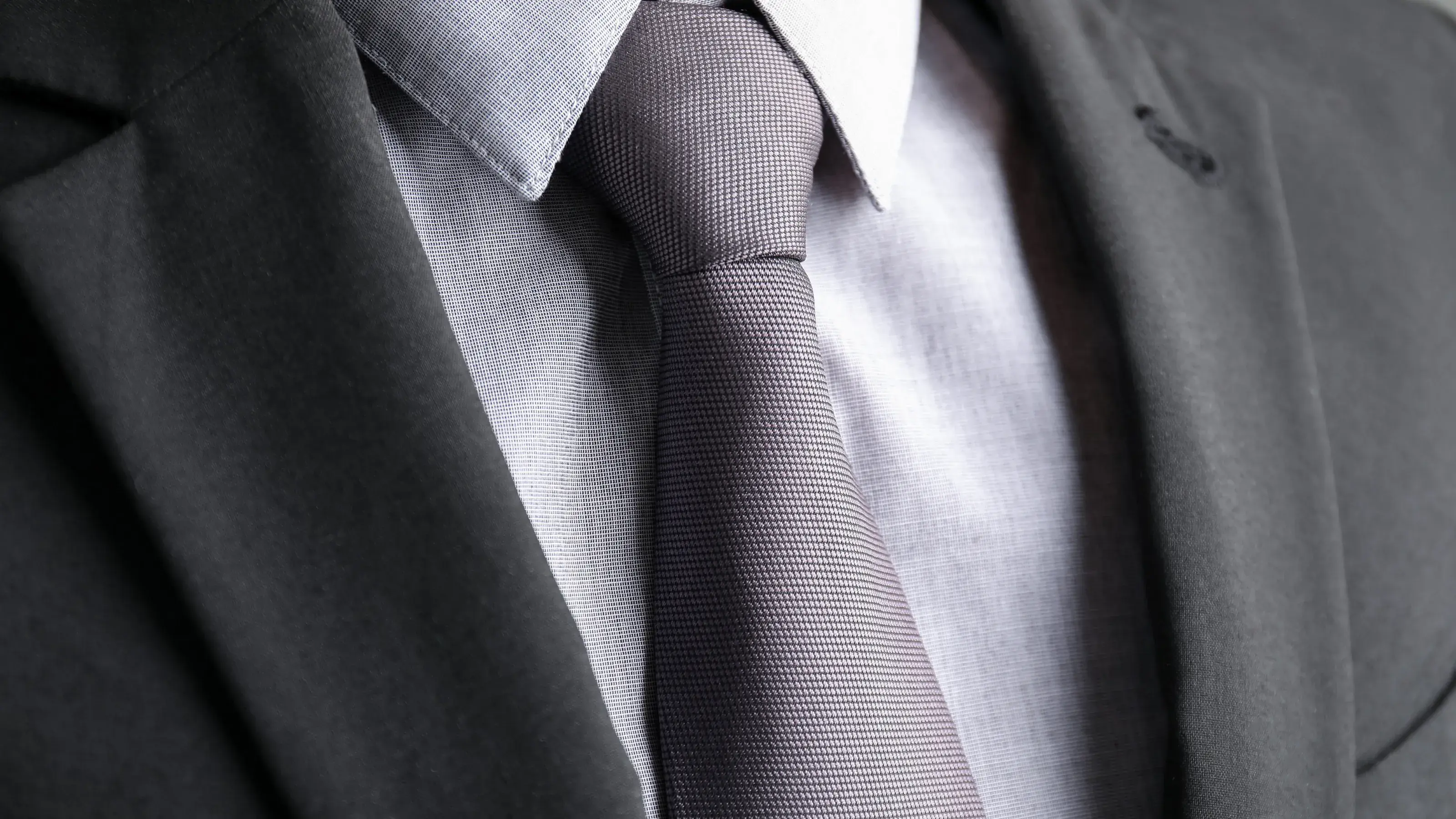
"Learn what formal funeral attire is, appropriate clothing for men and women, what to avoid, and how to dress respectfully for a funeral or memorial service."
Attending a funeral is an opportunity to pay your respects, support grieving family members, and honour the life of someone who has passed away. One of the first questions many people ask is what they should wear. If you've been searching for formal funeral attire, you're certainly not alone. While expectations have become more flexible over the years, dressing appropriately remains an important way to show consideration and respect. In Australia, funeral dress codes can vary depending on cultural traditions, religious customs, and the wishes of the family. Some services request traditional black clothing, while others encourage guests to wear brighter colours in celebration of a loved one's life. Unless a specific dress code has been shared, choosing modest, smart, and understated clothing is generally the safest option. Formal funeral attire refers to clothing that is neat, conservative, and respectful. The aim is not to draw attention to yourself but to honour the occasion and those who are grieving. Traditional colours include: Black Charcoal Navy Dark grey Deep brown Muted earth tones and other subdued colours may also be appropriate, particularly for less traditional memorial services. The most important consideration is that your clothing reflects the solemn nature of the event. For men, a suit is often the most appropriate choice if available. Suitable options include: A black, navy, or charcoal suit. A long-sleeved dress shirt. A conservative tie. Polished dress shoes. Dark socks. If you do not own a suit, tailored trousers paired with a collared shirt and blazer are usually acceptable. Accessories should remain understated, and clothing should be clean and well-fitted. Women have a range of appropriate options provided they remain modest and respectful. Examples include: A tailored dress. A knee-length skirt with a blouse. Dress trousers and a smart top. A simple jumpsuit. A tailored blazer or cardigan. Closed-toe shoes are generally preferred, although smart flats or low heels are equally appropriate. Jewellery and accessories should be subtle rather than eye-catching. Children are not expected to dress as formally as adults, but neat clothing is still appropriate. Suitable choices include: Smart trousers. Dresses. Polo shirts. Cardigans. Closed shoes. Comfort is also important, particularly for younger children attending longer services. Black remains the traditional choice for many funerals, but it is no longer the only acceptable option. Dark or neutral colours such as: Navy Grey Beige Cream Dark green can also be appropriate depending on the wishes of the family. Some families specifically request colourful clothing to celebrate the person's life. If this is mentioned in the funeral notice or invitation, following that request is a thoughtful gesture. Certain clothing may appear too casual or distracting for a funeral. It is generally best to avoid: Ripped jeans. Shorts. Thongs or flip-flops. Activewear. Clothing with large logos. Graphic T-shirts. Bright neon colours. Revealing outfits. Excessively casual footwear. The goal is to ensure the focus remains on supporting the family rather than on your appearance. Australia is home to many different cultures and faiths, each with its own funeral customs. Some religious traditions may require: Head coverings. Shoulders to be covered. Long sleeves. Long skirts or trousers. Removal of shoes before entering a place of worship. If you are attending a funeral from a different cultural or religious background, it is perfectly acceptable to ask about any dress expectations beforehand. Many people worry that they need to purchase expensive clothing for a funeral. In reality, neat and modest clothing is more important than cost. A simple dark outfit that is clean, well-maintained, and appropriate for the occasion is usually perfectly acceptable. Respect and compassion matter far more than fashion labels. The type of funeral service may also influence what guests choose to wear. Families who choose the Attending Service & Cremation package often hold a formal ceremony where traditional funeral attire is common, particularly when family and friends gather to celebrate a loved one's life. Others may select the Viewing & Cremation package, where guests typically wear similarly respectful clothing during the private viewing and farewell. For families choosing the No Service Direct Cremation package, there may be no formal gathering immediately after the cremation, although relatives often organise a memorial service at a later date with its own dress expectations. Whatever type of farewell is chosen, Black Tulip Funerals supports families with compassionate guidance, helping create meaningful services that reflect each individual's life, values, and wishes. Alongside dressing appropriately, good funeral etiquette includes: Arriving on time. Silencing your mobile phone. Speaking quietly. Following any instructions from the family or funeral director. Offering sincere condolences. Respecting cultural and religious traditions. These thoughtful actions help create a respectful atmosphere for everyone attending. For additional guidance on funeral customs and etiquette, the Australian Centre for Grief and Bereavement offers helpful resources for families and guests navigating funeral arrangements. Choosing formal funeral attire is ultimately about showing respect for the person who has died and offering quiet support to those who are grieving. While styles and traditions may vary between families, neat, modest, and understated clothing is almost always appropriate. If you're ever unsure what to wear, it is worth checking whether the family has requested a particular dress code. Otherwise, selecting simple, conservative clothing in darker or muted colours is a considerate choice. By dressing respectfully and approaching the occasion with kindness and empathy, you can help create a comforting environment where family and friends are able to focus on remembering and celebrating a life well lived.Formal Funeral Attire What to Wear and What to Avoid
What Is Considered Formal Funeral Attire?
What Should Men Wear?
What Should Women Wear?
What Should Children Wear?
Colours to Wear
What Should You Avoid?
Religious and Cultural Considerations
What If You Don't Own Formal Clothing?
Dressing for Different Types of Funeral Services
A Few Final Etiquette Tips
Learn More About Funeral Etiquette
Final Thoughts