
Graveside Service Examples: What Happens and What to Expect
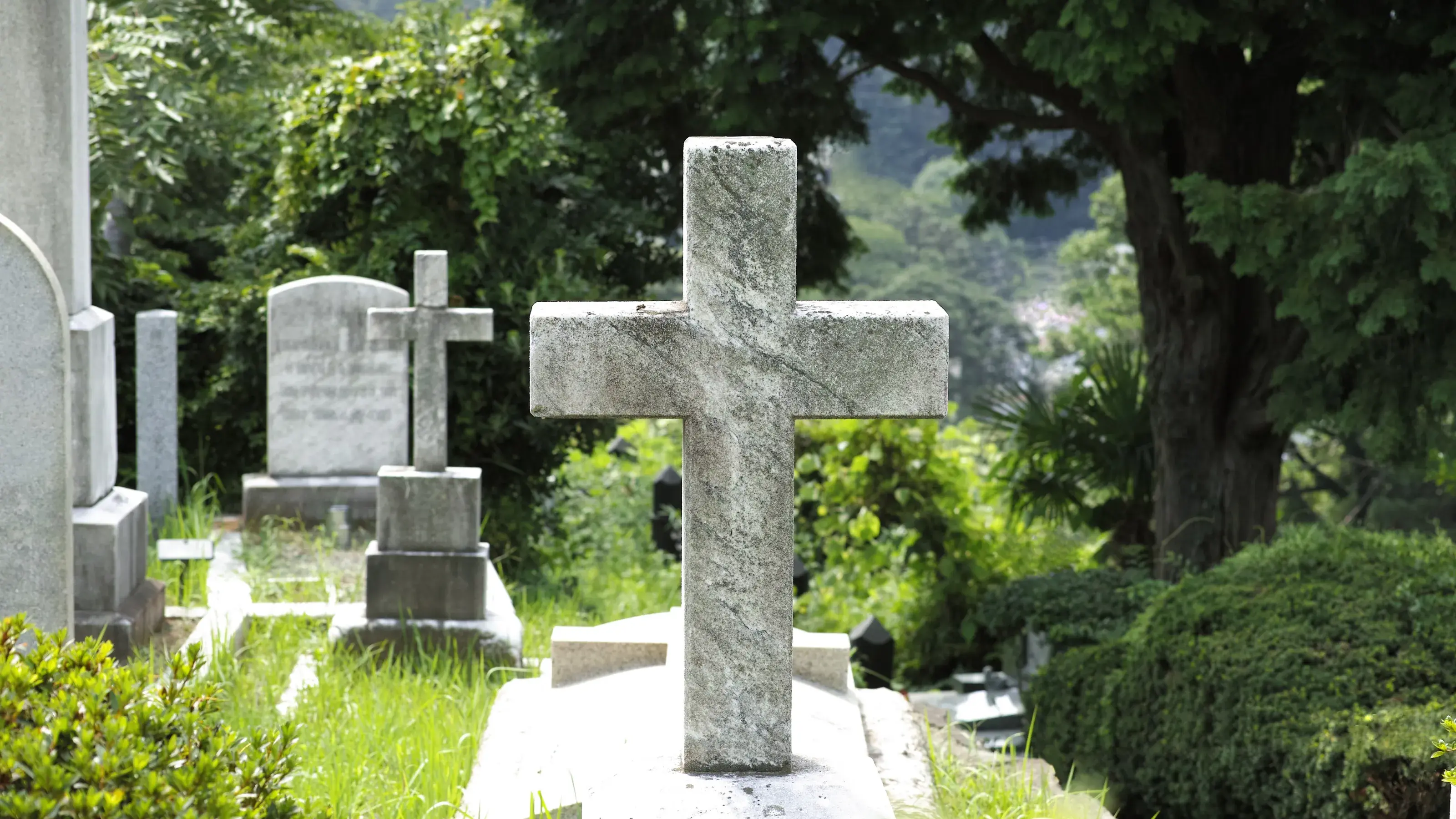
"Explore examples of graveside services, what typically happens during the ceremony, and how families can create a meaningful farewell at the cemetery."
A graveside service can be one of the most personal and meaningful ways to say goodbye to a loved one. Unlike a traditional funeral held in a chapel or other venue, a graveside service takes place at the burial site itself, creating a more intimate setting where family and friends can gather for a final farewell. For those unfamiliar with the process, understanding examples of graveside services can help reduce uncertainty and provide reassurance about what to expect. While every ceremony is unique, most follow a structure that balances remembrance, reflection, and support for grieving loved ones. Whether religious or non-religious, formal or simple, a graveside service offers an opportunity to honour a life while bringing family and friends together. A graveside service is a ceremony held at the cemetery, usually immediately before or during the burial. Unlike larger funeral services that may include extensive programmes, graveside ceremonies are often shorter and more focused. They provide an opportunity for loved ones to gather close to the final resting place and participate in a meaningful farewell. The atmosphere is often quiet, reflective, and personal. While every family has different preferences, a typical graveside service may include: A welcome from a celebrant, minister, or family member Readings, poems, or scripture passages A eulogy or tribute Prayers or moments of reflection Music or recorded songs Final words of farewell The committal, where the coffin is lowered or the burial is formally acknowledged Following the ceremony, guests may spend time speaking with family members and offering condolences. A religious graveside service often follows established traditions and may include prayers, scripture readings, blessings, and hymns. A clergy member typically leads the ceremony, offering words of comfort and guidance while reflecting on the beliefs and traditions of the family. For many people, these familiar rituals provide reassurance and a sense of continuity during a difficult time. Some families choose a more personal approach by leading the service themselves. In this setting, relatives and friends may share stories, read poems, or speak about cherished memories. Family-led services often feel deeply personal because they focus on the unique life and personality of the person being remembered. This type of ceremony can create a strong sense of connection and participation among attendees. Modern funerals increasingly focus on celebrating life rather than solely mourning a loss. A celebration-of-life graveside service may include favourite songs, humorous stories, personal tributes, and meaningful reflections. While sadness remains a natural part of the occasion, the atmosphere often highlights gratitude, love, and remembrance. These ceremonies can be especially meaningful when they reflect the individual's passions, achievements, and relationships. One of the strengths of a graveside service is its flexibility. Families may choose to include: Favourite flowers Special readings Cultural traditions Personal letters Memory-sharing activities Symbolic gestures such as placing flowers on the coffin These touches help transform the ceremony into a unique tribute that reflects the person's life. Most graveside services last between 20 and 45 minutes, although this can vary depending on the number of speakers and the type of ceremony. Because the service takes place outdoors, many families prefer a concise structure while still allowing enough time for meaningful reflection and remembrance. While some families choose burial, others may explore cremation services depending on their personal, cultural, or religious preferences. An attending service cremation allows loved ones to gather and participate in a meaningful farewell before the cremation takes place. A viewing cremation offers an opportunity for family members to spend private time with their loved one before saying goodbye. For those seeking a simpler arrangement, a no service cremation can provide a dignified and respectful alternative. At Black Tulip Funerals, families are supported with compassion and care, helping them create services that reflect the wishes, values, and personality of their loved one. For additional information about funerals, burials, and cremations in Australia, the NSW Government guide to funerals, burials and cremations provides useful guidance for families planning a farewell. Reliable information can help families make informed decisions with confidence. Exploring examples of graveside services can help families understand the many ways a farewell can be personalised and meaningful. Whether the ceremony is religious, family-led, or centred on celebrating a life, the purpose remains the same: to honour the individual, acknowledge the loss, and support those who are grieving. A graveside service does not need to be elaborate to be memorable. Often, the most meaningful moments come from shared memories, heartfelt words, and the presence of loved ones gathered together to say goodbye.Graveside Service Examples: What Happens and What to Expect
What Is a Graveside Service?
What Typically Happens During a Graveside Service?
Example 1 A Traditional Religious Graveside Service
Example 2 A Family-Led Graveside Ceremony
Example 3 A Celebration of Life at the Graveside
Personalising the Ceremony
How Long Does a Graveside Service Last?
Funeral Planning Options
Learning More About Funeral Arrangements
Final Thoughts