
How to Get a Certified Copy of a Will Step-by-Step Guide
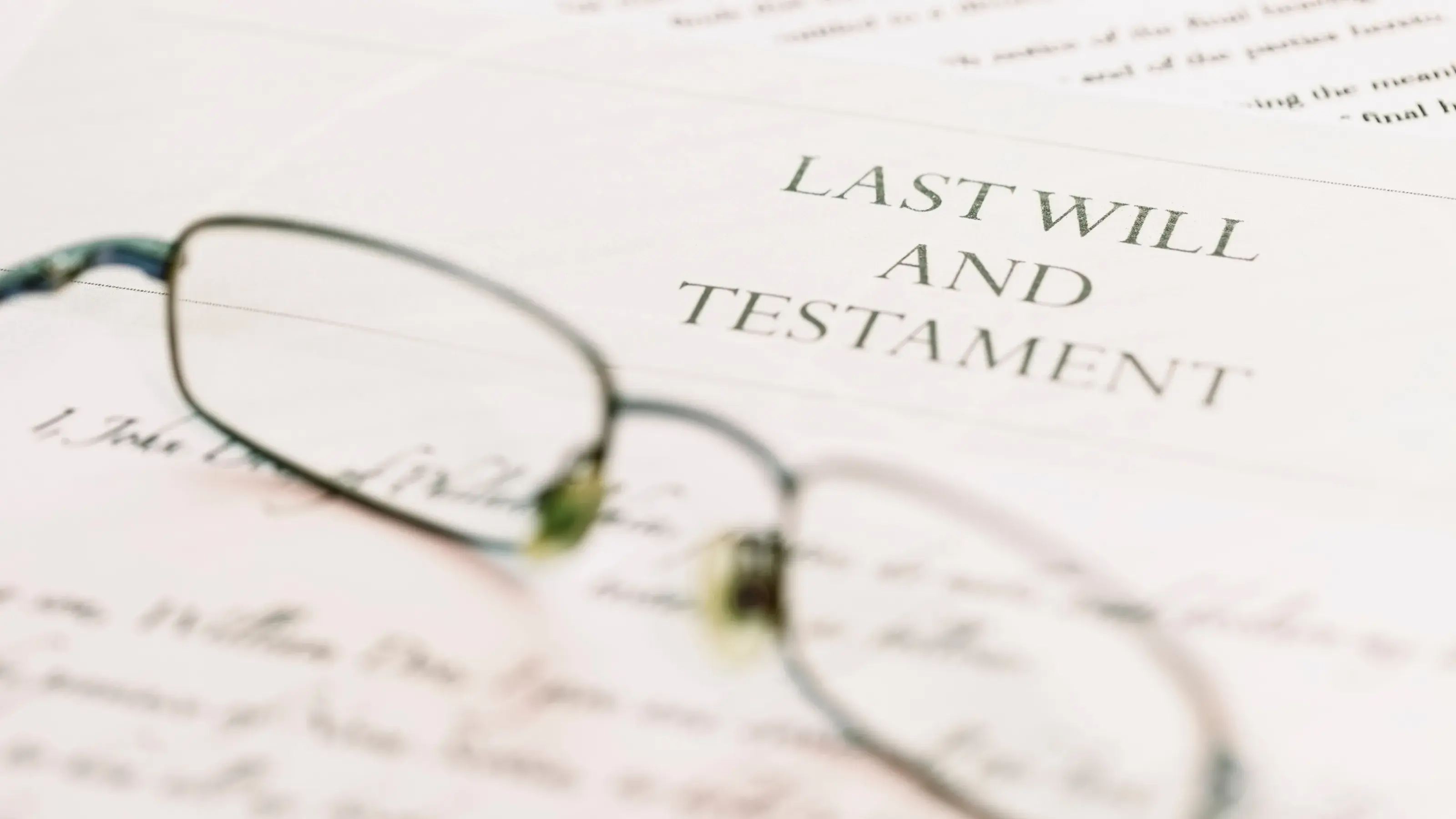
"Learn how to get a certified copy of a will in Australia, who can request one, when it's available, and the steps involved in obtaining this important legal document."
When someone passes away, their will becomes one of the most important legal documents involved in managing their estate. Executors, beneficiaries, financial institutions, and government agencies may all require proof of the deceased person's wishes before certain matters can be finalised. In many situations, a certified copy of the will is requested instead of the original document. If you're wondering how to get a certified copy of a will, the process depends on whether probate has been granted, where the original will is held, and whether you are legally entitled to receive a copy. Understanding these steps can help reduce uncertainty during what is often an emotionally challenging time. A certified copy is an official copy of the original will that has been verified as a true and accurate reproduction. Unlike a standard photocopy, a certified copy includes certification by an authorised person, confirming that it matches the original document. Many organisations accept certified copies for administrative purposes, allowing the original will to remain safely stored. Depending on the situation, banks, solicitors, government departments, and other institutions may request a certified copy before processing estate-related matters. Whether you can obtain a certified copy depends on your relationship to the deceased and the stage of the estate administration. People who may be entitled to request one include: The executor named in the will. Beneficiaries in certain circumstances. Solicitors acting for the estate. Individuals with a recognised legal interest. Courts handling probate matters. If probate has already been granted, obtaining a copy is often much simpler because the will generally becomes part of the public court record. The original will may be stored in several different places. Common locations include: The deceased person's home. A solicitor's office. A trustee company. A secure safe or safety deposit box. The executor's possession. If you're unsure where the will is located, begin by speaking with close family members or the executor, who may already know where it has been stored. Although the exact process varies, these steps are commonly involved. If probate has been granted, the will is generally lodged with the relevant Supreme Court. Once it becomes part of the probate record, eligible individuals may be able to request an official copy from the court. If probate has not yet been granted, the executor or the solicitor managing the estate is usually the best person to contact. They can explain whether you're entitled to receive a copy and what documentation may be required. You may need to provide identification or documents demonstrating your relationship to the deceased or your legal interest in the estate. Requirements vary depending on the organisation handling the request. Some courts and organisations charge a small administrative fee for providing certified copies of legal documents. The amount varies depending on the jurisdiction and the number of copies requested. Certified copies are commonly requested when dealing with estate administration. Examples include: Applying for probate. Closing bank accounts. Accessing investments. Transferring property. Managing superannuation or insurance claims. Resolving legal matters involving the estate. Having a certified copy available can often simplify communication with multiple organisations while protecting the original document from unnecessary handling. Not always. Before probate is granted, wills are generally private documents. Access is usually limited to the executor, beneficiaries, or individuals with a legitimate legal interest. After probate has been granted, the will often becomes publicly accessible through the relevant Supreme Court, although procedures differ between Australian states and territories. Sometimes, despite careful searching, the original will cannot be located. If this happens, legal advice should be sought promptly. Depending on the circumstances, the court may consider: Copies of previous versions. Evidence of the deceased person's intentions. Witness statements. Other supporting documentation. Each situation is unique, and professional legal guidance is essential where the original will is missing. One of the simplest ways to reduce future stress is to ensure your will is stored safely and that your executor knows where to find it. Many people also choose to: Tell their family who prepared the will. Keep important legal documents together. Review their will after major life events. Update contact details for their executor. These small steps can save loved ones considerable time and uncertainty after a death. While obtaining a certified copy of the will is an important legal step, families are often managing funeral arrangements at the same time. Some choose an attending service cremation, allowing relatives and friends to gather, honour the person's life, and share memories before the cremation. Others prefer a viewing cremation, providing close family members with the opportunity for a quiet and personal farewell. A no service cremation may be selected by families who intend to organise a private memorial or celebration of life at a later date, once immediate legal and practical matters have been addressed. Whatever arrangements are chosen, having clear documentation and understanding the estate administration process can help reduce unnecessary stress during an already emotional period. Understanding how to get a certified copy of a will can make estate administration much more manageable for executors and families. Whether the copy is obtained through the executor, a solicitor, or the relevant Supreme Court after probate has been granted, following the correct process helps ensure important legal matters can proceed smoothly. Although dealing with paperwork after the loss of a loved one can feel overwhelming, taking one step at a time—and seeking professional advice when needed—can provide reassurance during a difficult chapter. Alongside honouring a person's life, ensuring their final wishes are properly documented and carried out is one of the most meaningful ways to respect their legacy. For more information about probate and wills in Australia, visit the Australian Institute of Family Studies' legal information on wills and estates.How to Get a Certified Copy of a Will Step-by-Step Guide
What Is a Certified Copy of a Will?
Who Can Request a Certified Copy?
Where Is the Original Will Usually Kept?
How to Obtain a Certified Copy
Step 1: Determine Whether Probate Has Been Granted
Step 2: Contact the Executor or Solicitor
Step 3: Provide Proof of Identity
Step 4: Pay Any Applicable Fees
When Might You Need a Certified Copy?
Can Anyone View a Will?
What If the Original Will Cannot Be Found?
Planning Ahead Can Help Families
Funeral Arrangements and Estate Administration
Final Thoughts