
Is Human Composting Legal in Australia?
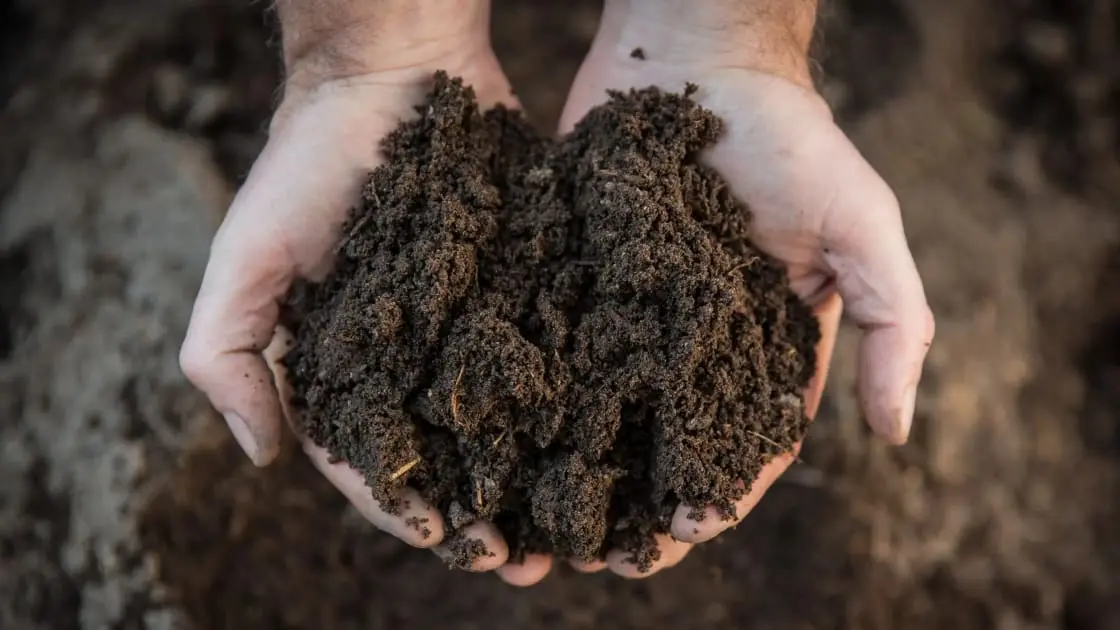
"Curious about eco-friendly end-of-life options? Learn whether human composting is legal in Australia, how it works, and sustainable funeral alternatives."
As environmental awareness continues to grow, many Australians are reconsidering traditional end-of-life practices and looking for options that better reflect their values. Concerns about land use, carbon emissions, and long-term environmental impact have led to increasing interest in alternative forms of body disposition. One option that has received international attention is human composting, also known as natural organic reduction. This has led many families to ask an important and timely question: Is Human Composting Legal in Australia?
Understanding how this process works, its legal status, and what alternatives exist locally can help families make informed and meaningful decisions.
What is human composting?
Human composting, formally known as natural organic reduction, is a process that allows the human body to return to the earth through controlled, natural decomposition. Rather than burial or cremation, the body is placed in a specially designed vessel where microorganisms break down organic material over several weeks.
The process typically:
Avoids embalming chemicals
Uses natural materials such as wood chips, straw, and plant matter
Is carefully monitored for temperature, moisture, and airflow
Results in nutrient-rich soil that can be returned to the family
Advocates of the practice describe it as a gentle and environmentally conscious way of completing the life cycle. Compared to cremation, which requires high energy use, or burial, which can involve concrete vaults and chemical preservation, human composting is often presented as a low-impact alternative.
As awareness grows internationally, interest in Human Composting Australia has followed, particularly among families who prioritise sustainability and environmental responsibility.
Is human composting legal in Australia?
At present, Human Composting Australia is not legally permitted in most Australian states and territories. Current laws governing the disposal of human remains do not recognise natural organic reduction as an approved method.
In Australia, the regulation of body disposal is handled at the state and territory level, and permitted methods generally include only:
Burial
Cremation
Because human composting does not fall into either category, it cannot legally be offered or carried out within Australia at this time. While the practice is legal in certain overseas jurisdictions — including parts of the United States — Australians cannot currently access this option domestically.
As a result, the answer to Is Human Composting Legal in Australia is, for now, no.
Why isn’t human composting permitted?
Australian legislation surrounding death care and human remains places strong emphasis on public health, environmental safety, and cemetery regulation. Existing laws were written long before natural organic reduction entered public discussion, and they do not yet provide a framework for approving or regulating the process.
Some of the key concerns include:
Public health and biosecurity standards
Environmental impact and soil management
Regulatory oversight and facility licensing
Cultural, ethical, and community considerations
While discussions around law reform have begun in some areas, there is currently no unified or widespread legal framework to support human composting in Australia. Any future changes would require detailed legislative review, scientific assessment, and public consultation.
Eco-friendly alternatives available in Australia
For families who are drawn to the environmental principles behind human composting, there are still meaningful and sustainable options available within Australia’s current legal framework.
These include:
Natural or green burial, where bodies are buried without embalming in biodegradable coffins
Biodegradable coffins or shrouds, made from materials such as cardboard, wicker, or untreated wood
Avoiding embalming, allowing the body to return naturally to the earth
Tree or nature memorials, where ashes or remains contribute to land regeneration
These approaches aim to reduce environmental impact while remaining fully compliant with Australian law.
At Black Tulip Funerals, we support families who wish to make environmentally conscious choices and are committed to guiding them through options that balance sustainability, legality, and personal values.
Looking ahead: will the law change?
Conversations about Is Human Composting Legal in Australia are becoming more common as environmental priorities shift and global practices evolve. What was once considered unconventional is now part of mainstream discussion in many countries.
While it is impossible to predict legislative timelines, it is likely that human composting will continue to be explored by policymakers, environmental advocates, and the funeral industry in the years ahead. Any future changes would need to carefully balance innovation with public health, environmental safeguards, and cultural sensitivities.
A thoughtful close
For now, Human Composting Australia remains an emerging concept rather than a legal option. While the practice aligns strongly with sustainability values, Australians must work within existing laws when planning end-of-life arrangements.
Understanding the legal landscape allows families to make informed, thoughtful decisions without confusion or false expectations. With the right guidance, it is still possible to honour both personal beliefs and environmental responsibility.
At Black Tulip Funerals, we believe that informed choice is a form of care — for loved ones, for the community, and for the world we leave behind.