
Memorial Service vs Funeral What's the Difference?
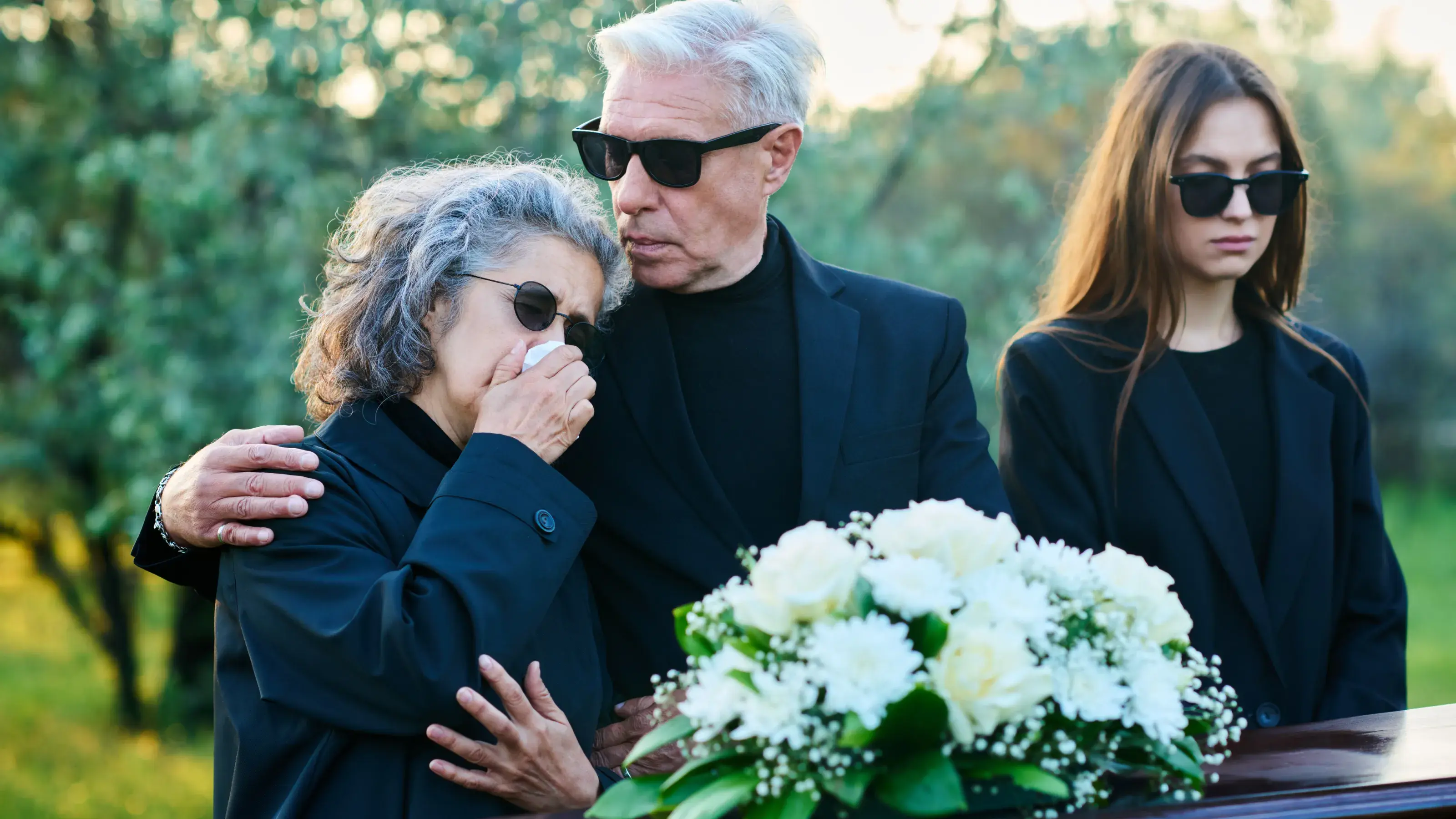
"Wondering if a memorial service is the same as a funeral? Learn the key differences, similarities, and how to choose the right farewell for your loved one."
When planning a farewell for a loved one, it's common to come across terms like "funeral" and "memorial service". While they are sometimes used interchangeably, they are not exactly the same. Many families search is a memorial service the same as a funeral because they want to understand which option best suits their loved one's wishes, beliefs, and circumstances. Both ceremonies provide an opportunity to remember, honour, and celebrate someone's life, but they differ in several important ways, including timing, the presence of the deceased, and the level of flexibility available during the service. Understanding these differences can help families make confident and informed decisions during an emotional time. A funeral is a formal ceremony held with the body of the deceased present. It usually takes place before burial or cremation and often follows cultural, religious, or family traditions. A funeral may include: A viewing or visitation. Religious or non-religious readings. Music and hymns. Eulogies. Prayers or moments of reflection. A procession to the cemetery or crematorium. Funerals are typically held within a relatively short time after death, although the exact timing depends on cultural practices, legal requirements, and family circumstances. A memorial service is held after the burial or cremation has already taken place, meaning the body is not present during the ceremony. Instead, the service focuses entirely on remembering and celebrating the person's life. A memorial service often includes: Personal tributes. Photographs and video slideshows. Favourite music. Poems or readings. Speeches from family and friends. Displays of personal memorabilia. Because there is no urgency associated with burial or cremation, memorial services can be held days, weeks, or even months after a person's passing. If you've wondered is a memorial service the same as a funeral, the biggest distinction is the presence of the deceased. Although the format differs, both ceremonies provide valuable opportunities for remembrance and support. There is no universally correct choice. Some families prefer a traditional funeral because it provides an immediate opportunity to say goodbye and often follows important cultural or religious customs. Others choose a memorial service because it allows more time to plan a personalised celebration, especially when relatives need to travel or when family members wish to organise a larger gathering. Many families choose to have both—a funeral followed by a memorial service at a later date. A memorial service offers several advantages. It allows families to: Take more time to plan. Include relatives travelling from interstate or overseas. Personalise every aspect of the ceremony. Celebrate the person's hobbies, interests, and achievements. Create a relaxed and informal atmosphere if desired. Without the time pressures associated with a funeral, families often find they can create a tribute that truly reflects their loved one's life. Yes. Although memorial services are often non-religious, they can include religious elements if that reflects the wishes of the deceased or their family. Some services include: Bible readings. Prayers. Hymns. Religious leaders. Blessings. Others are entirely secular, focusing on storytelling, music, and shared memories. The format is entirely flexible. The type of farewell you choose will often depend on your loved one's preferences, cultural traditions, and the needs of your family. Some families appreciate the opportunity to gather for an Attending Service & Cremation package, allowing relatives and friends to say goodbye together before the cremation takes place. Others choose the Viewing & Cremation package, providing close family members with a private farewell and time for reflection. For families seeking a simpler arrangement, the No Service Direct Cremation package offers a dignified option while allowing a memorial service to be held separately at a later date. Throughout every stage of planning, families can also find compassionate guidance through Black Tulip Funerals, where personalised support helps create meaningful farewells that reflect every individual's life and wishes. One of the greatest advantages of a memorial service is flexibility. Unlike traditional funerals, memorials can be held in a wide variety of locations, including: Family homes. Beaches. Gardens. Parks. Community halls. Restaurants. Function venues. Choosing a location that held special meaning for the deceased can make the gathering even more personal and memorable. For additional guidance on planning funerals and memorial services, the Australian Centre for Grief and Bereavement provides helpful resources for families navigating loss and making informed funeral decisions. If you've been asking is a memorial service the same as a funeral, the answer is no—but both serve the same important purpose of honouring a loved one's life and bringing people together to remember them. A funeral generally takes place before burial or cremation with the body present, while a memorial service is held afterwards and offers greater flexibility in timing and format. Neither option is better than the other; the right choice depends on your family's wishes, traditions, and the kind of farewell you want to create. Whatever you decide, a thoughtful and personalised service can provide comfort, celebrate a life well lived, and create lasting memories for everyone who gathers to say goodbye.Memorial Service vs Funeral What's the Difference?
What Is a Funeral?
What Is a Memorial Service?
The Main Differences
Which Option Is Right for Your Family?
Benefits of a Memorial Service
Can a Memorial Service Be Religious?
Planning the Right Farewell
Can You Hold a Memorial Anywhere?
Learn More About Funeral Planning
Final Thoughts