
Tax Return for a Deceased Person in Australia
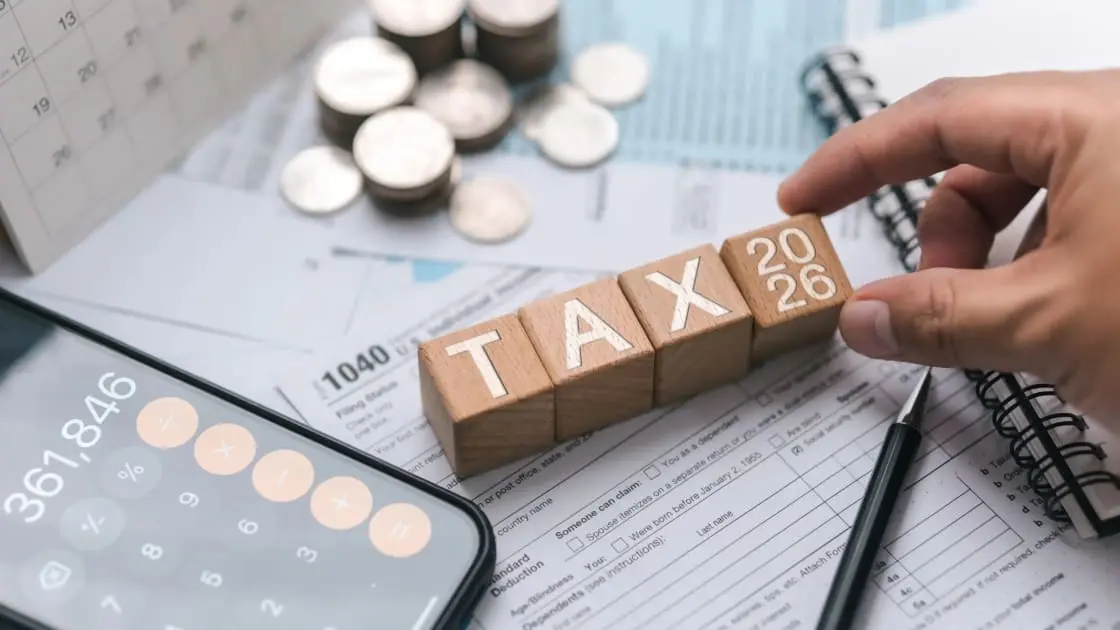
"Appointed as an executor? Understand your legal responsibilities regarding the final tax return for a deceased person in Australia and how to lodge it."
After a death, emotional responsibilities often come first — but financial and legal obligations continue in the background. One task that frequently causes confusion for executors and families is completing a Tax Return Deceased Person in Australia.
Understanding who is responsible, what needs to be lodged, and when it must be done can prevent penalties, delays, and unnecessary stress during an already difficult time.
Who is responsible for lodging the final tax return?
The responsibility for completing a Tax Return Deceased Person falls to the executor named in the will. If there is no will, the administrator appointed by the court takes on this role.
The executor or administrator acts on behalf of the deceased and is legally responsible for ensuring that:
Outstanding tax obligations are met
Required returns are lodged correctly
Any tax owing is paid from the estate
This responsibility does not usually fall on family members personally, unless they are acting as executor or administrator.
What is a final tax return?
A final tax return is the last individual tax return lodged for the deceased person. It covers the period from the start of the financial year up to the date of death.
For example:
If a person dies on 10 March, the final tax return covers income earned from 1 July to 10 March.
This return is marked as a “deceased estate” return when lodged with the Australian Taxation Office (ATO).
Understanding the scope of a Tax Return Deceased Person helps executors avoid including income that belongs to the estate rather than the individual.
What income must be included?
The final tax return must include all income earned by the deceased up to the date of death.
This may include:
Employment income or salary
Superannuation income streams
Investment income (interest, dividends)
Rental income
Business income
Any income earned after the date of death is not included in the individual’s final return. Instead, it may be declared in a separate deceased estate tax return, if required.
Capital gains and asset events
Capital gains tax (CGT) can be one of the more complex aspects of a Tax Return Deceased Person.
CGT may apply if:
Assets were sold or transferred before death
Certain investment events occurred
In many cases, assets are transferred to the estate or beneficiaries without triggering immediate CGT. However, this depends on the type of asset and how it is dealt with.
Because CGT rules can be complex, professional tax advice is often recommended when significant assets are involved.
Does the estate need to lodge its own tax return?
In some cases, yes.
If the estate:
Earns income after death (such as rent, interest, or dividends), or
Takes time to administer
Then a deceased estate tax return may need to be lodged for the estate itself.
This is separate from the Tax Return Deceased Person, which only covers income up to the date of death.
Not all estates require this additional return — smaller or quickly administered estates may not earn taxable income.
Timeframes and due dates
The final tax return for a deceased person is generally due by the next standard tax deadline following the end of the financial year.
However:
Extensions may be available
Executors can contact the ATO to clarify obligations
Registered tax agents may lodge on different timelines
Lodging on time is important, as penalties or interest can apply if obligations are ignored or delayed.
Understanding Tax Return Deceased Person timeframes helps executors plan administration tasks more effectively.
How is tax paid?
Any tax owing on the final return is paid from the estate, not from the executor personally.
Executors should:
Ensure sufficient funds remain in the estate
Avoid distributing assets before tax obligations are finalised
Keep clear records of all payments
Paying tax before distributing inheritances protects the executor from personal liability.
Common mistakes to avoid
Executors often encounter difficulties when:
Income after death is incorrectly included in the final return
Capital gains are misunderstood
Assets are distributed before tax is settled
Required estate returns are overlooked
These errors can cause delays, audits, or disputes among beneficiaries.
Seeking advice early can prevent costly mistakes.
Emotional considerations for executors
Acting as executor while grieving can feel overwhelming. Administrative tasks like completing a Tax Return Deceased Person often arrive before families feel emotionally ready.
It is important to remember:
You do not need to rush
You are allowed to ask for help
Professional support exists for this exact reason
At Black Tulip Funerals, we often remind families that estate administration is a process — not a race.
When to seek professional help
While some final tax returns are straightforward, professional assistance is recommended when:
The estate is complex
There are business or investment assets
Capital gains issues arise
Multiple returns are required
A registered tax agent or accountant can ensure compliance and reduce stress for executors.
A steady and reassuring conclusion
Completing a Tax Return Deceased Person is a necessary step in finalising financial affairs, but it does not need to be intimidating.
With clear understanding of responsibilities, correct separation of individual and estate income, and attention to deadlines, executors can meet their obligations confidently.
Above all, remember that this task exists to bring closure to financial matters — allowing families to focus on remembrance, healing, and moving forward with clarity.