
What to Wear to a Viewing and Funeral
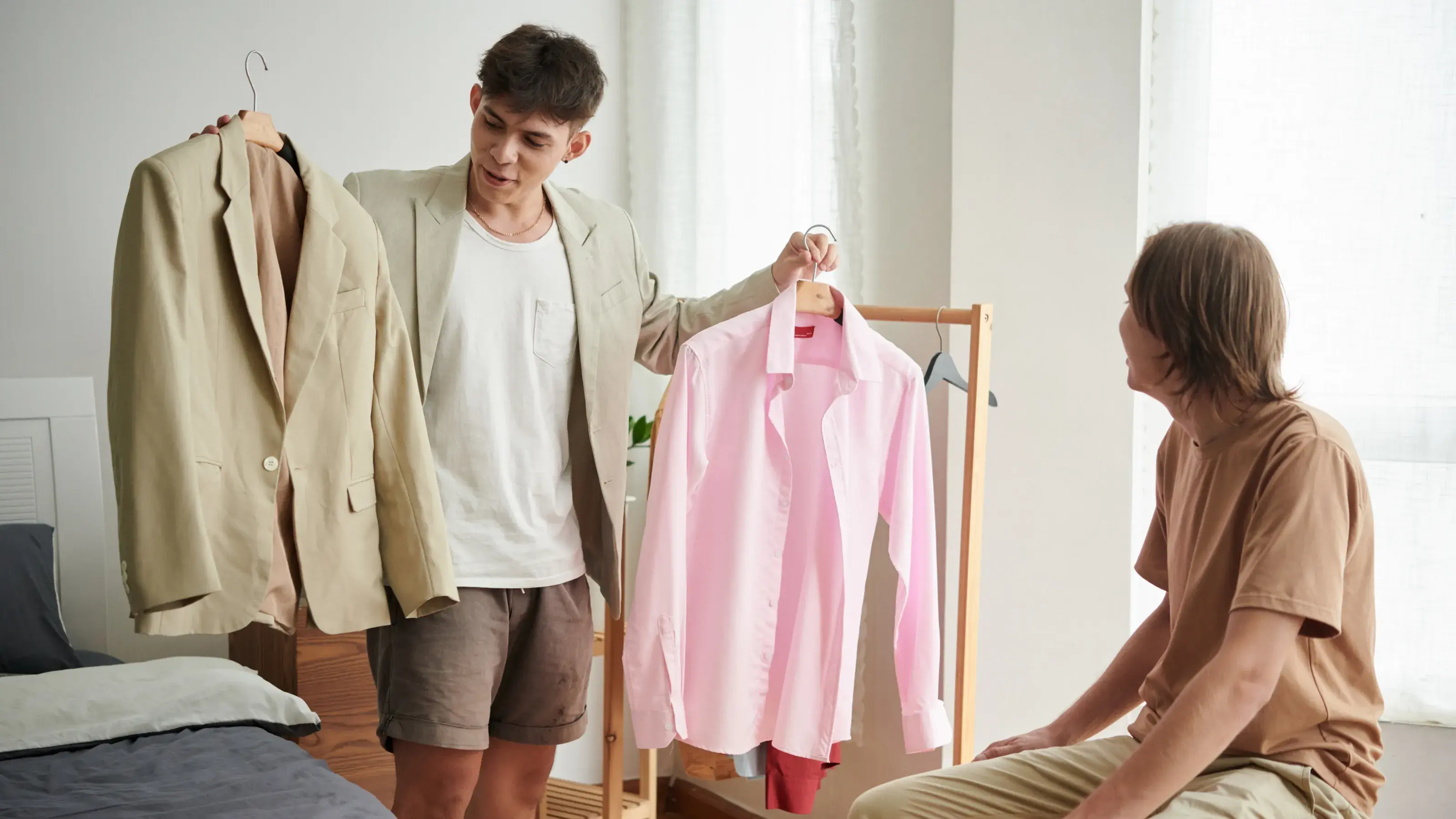
"Learn what to wear to a viewing and funeral with this complete etiquette guide. Discover appropriate attire, common mistakes to avoid, and how to dress respectfully for different types of services."
Attending a viewing or funeral is an opportunity to pay your respects, support a grieving family, and honour the life of someone who has passed away. During these occasions, many people worry about wearing the wrong outfit or unintentionally causing offence. While dress codes have become more relaxed over the years, choosing appropriate clothing remains an important way of showing respect. If you're unsure what to wear for a viewing and funeral, you're certainly not alone. Expectations can vary depending on culture, religion, family preferences, and the type of service being held. Fortunately, a few simple etiquette guidelines can help you feel prepared and ensure your attire reflects the significance of the occasion. Clothing may seem like a small detail, but it communicates respect, compassion, and consideration. A funeral or viewing is not a fashion event; it is a time to focus attention on the deceased and their loved ones. Dressing appropriately also helps you feel more comfortable during the service, allowing you to focus on offering support rather than worrying about whether your outfit is suitable. Today, many families choose to celebrate a person's life in ways that reflect their personality. While traditional black clothing is still common, some funerals encourage guests to wear brighter colours or even specific outfits requested by the family. When in doubt, always follow any instructions included in the funeral notice or invitation. Although the terms are sometimes used interchangeably, they serve different purposes. A viewing usually takes place before the funeral service and allows family and friends to spend quiet moments saying goodbye. It often has a more intimate atmosphere, although respectful attire is still expected. A funeral service is typically a more formal gathering where loved ones come together to celebrate the person's life, share memories, and offer support to one another. If you are attending both events, the same outfit is generally appropriate unless the family has requested otherwise. Men generally have several respectful options that suit most funerals. Appropriate choices include: A dark-coloured suit or tailored trousers with a collared shirt. A tie if the service is traditional or formal. A blazer or sports coat if a full suit is unavailable. Polished dress shoes in black or brown. Neutral colours such as black, navy, charcoal, or dark grey are considered safe choices. Avoid clothing with large logos, bright patterns, ripped denim, or trainers unless specifically requested by the family. Women have a wider range of clothing options while still maintaining respectful funeral etiquette. Suitable choices include: Dresses with modest necklines and appropriate lengths. Blouses paired with tailored trousers or skirts. Simple jumpsuits in darker tones. Cardigans or blazers for added warmth and formality. Closed-toe flats, low heels, or smart shoes. Comfort is important, particularly if the service includes standing for extended periods or walking through cemeteries or memorial gardens. Black remains the traditional colour associated with mourning, but it is no longer the only acceptable option. Other suitable colours include: Navy Charcoal Dark green Brown Burgundy Soft grey If the family requests colourful clothing to celebrate their loved one's life, it is perfectly acceptable to honour those wishes. Unless specifically requested otherwise, it is generally best to avoid: Bright neon colours. Clothing with offensive slogans or graphics. Very casual sportswear. Beachwear or shorts. Revealing clothing. Dirty or heavily worn garments. The goal is not to appear overly formal but to dress in a way that reflects the significance of the occasion. Weather should also be considered when planning your outfit. In warmer months, lightweight fabrics can help you remain comfortable while still looking respectful. Breathable cotton or linen blends in darker colours are often suitable. During colder months, a dark coat, scarf, and smart footwear can provide warmth while maintaining an appropriate appearance. If the service includes an outdoor burial or memorial, practical shoes may be preferable to delicate footwear that could become damaged on uneven ground. Funeral traditions differ greatly between cultures and faiths. Some religious services require guests to cover their heads, remove their shoes before entering a place of worship, or wear specific colours. Others may have customs regarding jewellery, sleeves, or modesty. If you are unfamiliar with the family's traditions, asking a close family member or funeral director beforehand can help you prepare respectfully. Many people become anxious about choosing the "perfect" outfit. In reality, grieving families are unlikely to judge your clothing if you have made a genuine effort to dress respectfully. Your presence, compassion, and support will always matter far more than the specific colour of your tie or dress. The atmosphere of a funeral often reflects the type of service chosen by the family. An attending service cremation allows loved ones to gather, share memories, and participate in a meaningful farewell together. Some families choose a viewing cremation, providing an opportunity for close family and friends to spend quiet moments with their loved one before the cremation takes place. Others prefer the simplicity of a no service cremation, planning a private celebration of life or memorial gathering at a later date that better suits family members travelling from different locations. Whatever type of farewell is chosen, respectful attire helps contribute to the dignity of the occasion while allowing everyone to focus on remembering a life well lived. Knowing what to wear for a viewing and funeral is ultimately about showing consideration for the grieving family and respecting the significance of the occasion. Whether you choose traditional black clothing or follow a family's request for something more personal, dressing thoughtfully demonstrates kindness, empathy, and support. If you are ever uncertain about funeral etiquette, don't hesitate to ask the family or funeral director for guidance. Most importantly, remember that your presence and compassion will always mean more than your wardrobe. For further guidance on funeral etiquette and customs, visit the Dignity Funerals' guide to what to wear to a funeral.What to Wear to a Viewing and Funeral: A Complete Etiquette Guide
Why Funeral Attire Matters
Is There a Difference Between a Viewing and a Funeral?
What Men Should Wear
What Women Should Wear
Appropriate Colours
Clothing to Avoid
Dressing for Different Seasons
Cultural and Religious Considerations
The Importance of Respect Over Perfection
Funeral Services and Meaningful Farewells
Final Thoughts