
Why Is a Wake Called a Wake? The Surprising History Behind the Tradition
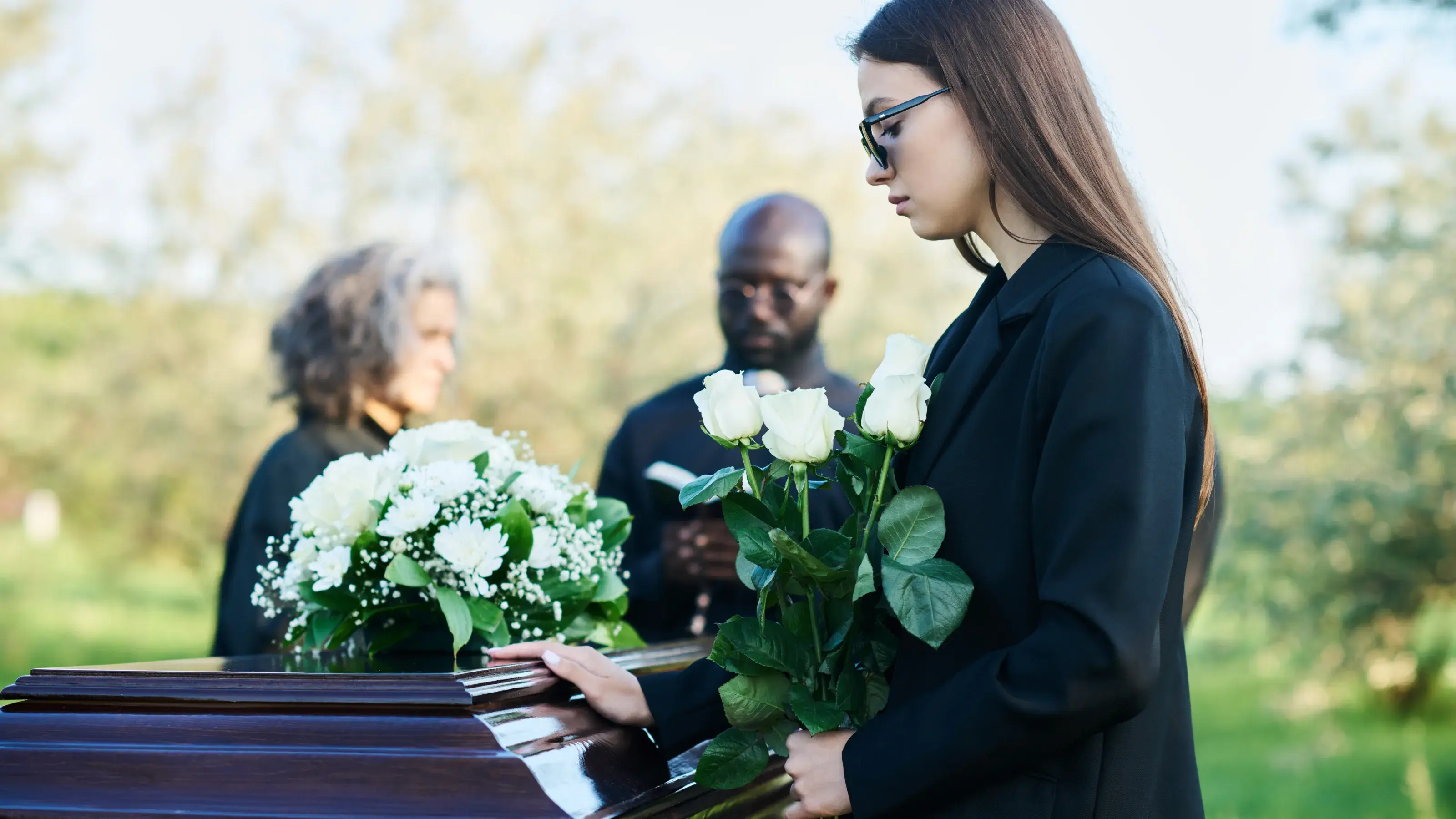
"Discover why a wake is called a wake, where the tradition began, and how modern wakes continue to help families honour loved ones and support one another through grief."
Many funeral traditions have been passed down through generations, yet few people stop to wonder where they actually came from. One such tradition is the wake. While most people understand that a wake is a gathering held before or after a funeral, the origin of its name is often misunderstood. If you've ever wondered why is a wake called a wake, the answer lies in centuries-old customs, changing beliefs about death, and the importance of bringing communities together during times of loss. Although today's wakes look very different from those held hundreds of years ago, their purpose remains remarkably similar: to honour the deceased while offering comfort and companionship to those left behind. The word "wake" comes from the Old English word wacu, meaning "a watch" or "a period of staying awake". Centuries ago, before modern medicine made it easier to confirm death, families would remain awake beside the body for many hours or even several days. Part of this tradition was practical. People wanted to ensure their loved one had truly passed away before burial, especially during times when medical knowledge was limited. At the same time, staying awake was viewed as an act of respect and devotion. Family members, neighbours, and friends would gather to keep vigil, pray, share stories, and provide comfort to one another throughout the night. This period of "keeping watch" eventually became known as a wake. Historical accounts suggest there were several reasons behind this practice. In earlier centuries, mistakes in declaring death occasionally occurred due to limited medical understanding. Remaining with the deceased before burial provided reassurance that there were no signs of life. Many cultures also believed that keeping vigil protected the deceased's soul during its journey from life to death. Prayers, hymns, and quiet reflection often formed an important part of these gatherings. Equally significant was the role of community. A wake brought neighbours together to support the grieving family, prepare meals, and share responsibilities during a difficult time. Modern wakes no longer serve as a way of confirming death, yet they continue to play an important role in the grieving process. Today, a wake is generally an opportunity for family and friends to gather before the funeral or cremation service. Depending on cultural traditions and personal wishes, the atmosphere may be formal, quiet, or even celebratory. Some families choose to hold the wake in a funeral home, while others prefer a private home, community hall, or another meaningful location. Although customs differ, the purpose remains the same: bringing people together to remember, reflect, and support one another. Every wake is unique, but many include: Sharing stories and favourite memories. Viewing photographs and keepsakes. Offering condolences to the family. Reading poems or prayers. Playing meaningful music. Spending quiet moments of reflection. Some wakes are deeply traditional, while others focus on celebrating a person's life through laughter, storytelling, and shared memories. There is no single way to hold a wake, and families are increasingly personalising these gatherings to reflect their loved one's personality and values. Although the terms are sometimes used interchangeably, they refer to different events. A wake is usually a gathering that takes place before the funeral service, although some families choose to hold it afterwards. The funeral itself is the formal ceremony where loved ones gather to honour the deceased through readings, music, eulogies, or religious traditions. Both occasions provide opportunities to remember a loved one, but each serves a slightly different purpose within the grieving journey. Many cultures have their own version of a wake. Irish wakes are perhaps the best known, combining remembrance with storytelling, food, music, and companionship. Rather than focusing solely on sorrow, they often celebrate the person's life while acknowledging the sadness of their passing. Other cultures observe quieter vigils centred around prayer and reflection, while some hold community gatherings that extend over several days. These traditions differ in practice but share a common goal of supporting those who are grieving. As funeral traditions continue to evolve, families have greater flexibility in creating meaningful farewells that reflect their loved one's wishes. Many families choose an attending service cremation, allowing relatives and friends to gather, share memories, and participate in a personalised ceremony before the cremation takes place. Others prefer a viewing cremation, providing an opportunity for a quiet and private farewell with close family members before the service. Some families choose a no service cremation, followed by a celebration of life at a later date when relatives and friends can gather in a more relaxed setting. Whichever option is chosen, the opportunity to come together remains one of the most valuable aspects of saying goodbye. Grief can often feel isolating, especially in the days immediately following a loss. A wake reminds grieving families that they do not have to carry that burden alone. It creates space for conversation, shared memories, tears, laughter, and quiet companionship. Many people discover that hearing stories they had never heard before helps paint a fuller picture of the person they loved. These moments of connection can become an important part of the healing process, offering comfort long after the gathering has ended. Understanding why is a wake called a wake reveals that this long-standing tradition is rooted in care, community, and respect. Although its original purpose has changed over the centuries, the heart of the wake remains the same: bringing people together to honour a life, support one another, and begin the journey through grief. Whether a family chooses a traditional wake, a simple gathering, or a personalised memorial, what matters most is creating an opportunity to remember a loved one in a way that feels meaningful to those left behind. For more information about the history of funeral traditions, visit the Encyclopaedia Britannica article on funeral wakes.Why Is a Wake Called a Wake? The Surprising History Behind the Tradition
The Origins of the Word "Wake"
Why People Stayed Awake
How Wakes Have Changed
What Typically Happens at a Wake?
Is a Wake Different from a Funeral?
Wakes Around the World
The Role of Funeral Services Today
Why Wakes Continue to Matter
Final Thoughts