
Are Death Notices Required by Law? What Families Need to Know
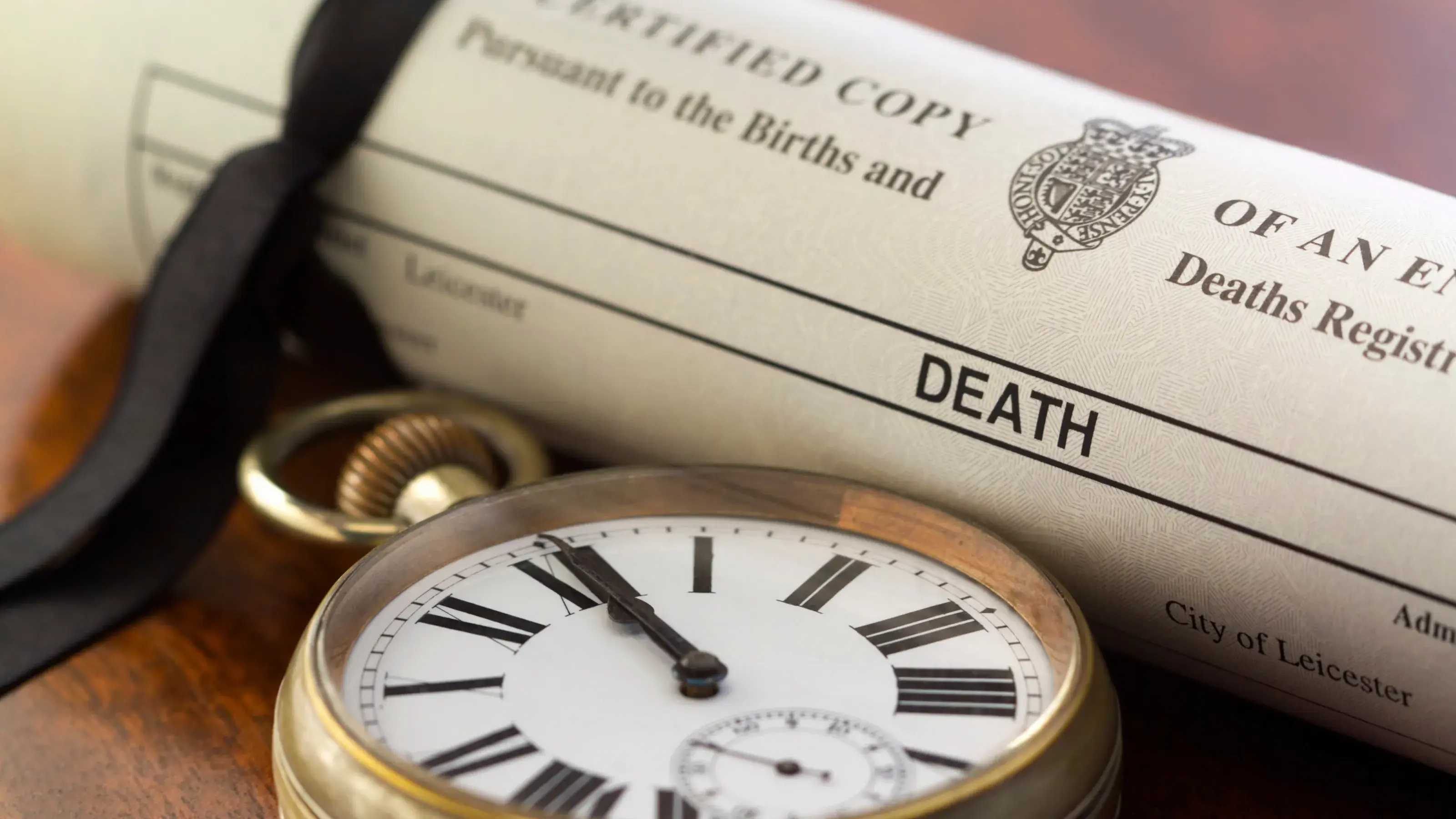
"Are death notices required by law in Australia? Learn whether publishing a death notice is mandatory, why families choose to share one, and what alternatives are available."
After the death of a loved one, families are faced with many practical decisions alongside their grief. One question that often arises is whether a death notice must be published. If you've been wondering are death notices required by law, the simple answer is no. In Australia, there is generally no legal requirement for families to publish a death notice in a newspaper or online. Although death notices have long been a tradition, they remain a personal choice rather than a legal obligation. Some families choose to publish one to inform relatives, friends, colleagues, and members of the community, while others prefer to keep funeral arrangements private. Understanding the purpose of a death notice and when it may be helpful can make this decision a little easier during an already difficult time. A death notice is a public announcement that informs people of a person's passing. It typically includes: The deceased's full name. Date of death. Funeral or memorial service details. A brief message from the family. Information about where condolences or donations may be sent. Death notices may appear in newspapers, funeral home websites, memorial websites, or social media, depending on the family's preferences. For most families in Australia, the answer is no. If you're asking are death notices required by law, there is no legislation requiring a family to publish a public notice following someone's death. Instead, legal requirements after a death usually involve matters such as: Registering the death with the relevant state or territory authority. Obtaining an official death certificate. Managing the deceased's estate. Notifying banks, government agencies, and other organisations. Publishing a death notice is entirely optional. Although they are not mandatory, death notices continue to serve several important purposes. They can: Notify extended family and friends. Provide funeral or memorial service details. Allow colleagues and community members to pay their respects. Share information about charitable donations. Honour the life of the deceased. For many families, a death notice becomes part of their loved one's lasting public legacy. There are equally valid reasons for deciding not to publish a notice. For example: The family wishes to keep the funeral private. Immediate family members have already been informed personally. Privacy concerns. Cultural or religious preferences. Financial considerations. Choosing not to publish a death notice does not affect the legal administration of the estate or funeral arrangements. Today, families have many ways to share news of a loved one's passing. Alternatives include: Funeral home websites. Memorial websites. Social media announcements. Email notifications. Family messaging groups. Community organisation newsletters. These options allow information to be shared quickly while reaching the people who matter most. If you decide to publish a death notice, keep the wording clear and respectful. Most notices include: Full name. Date of passing. Loving family members. Funeral or memorial details. Donation requests (if applicable). A brief farewell message. There is no strict format, and families are free to personalise the notice in a way that reflects their loved one's personality and wishes. Many families use a death notice to inform guests about funeral arrangements. Some choose an Attending Service & Cremation package, allowing family and friends to gather for a meaningful farewell before the cremation. Others may prefer the Viewing & Cremation package, giving loved ones an opportunity to spend quiet time together before saying goodbye. For those seeking a simpler arrangement, the No Service Direct Cremation package provides a dignified option, with the flexibility to hold a memorial service at a later date if desired. Families planning a personalised farewell can also find compassionate support through Black Tulip Funerals, where experienced professionals guide families through every stage of funeral planning with care and understanding. No. A death notice is simply a public announcement. A death certificate is an official legal document issued by the relevant Registry of Births, Deaths and Marriages. It is required for many administrative tasks, including closing bank accounts, transferring property, managing superannuation, and administering the deceased's estate. The two documents serve entirely different purposes. Every family's circumstances are unique. Some people appreciate the opportunity to publicly honour their loved one and invite others to attend the funeral. Others find comfort in keeping arrangements private and sharing the news only with close relatives and friends. There is no right or wrong decision. The most important consideration is choosing an approach that reflects your family's wishes and the life of the person being remembered. For official information about registering a death and obtaining a death certificate in Australia, visit the Services Australia – What to Do When Someone Dies. If you've been asking are death notices required by law, the answer is reassuringly straightforward: in Australia, they are not. Publishing a death notice is a personal decision that allows families to share the news of a loved one's passing, announce funeral arrangements, or simply pay tribute to a life well lived. Whether you choose to publish a traditional notice, share information privately, or forgo a public announcement altogether, the decision should reflect what feels most appropriate for your family. During a time of grief, there is comfort in knowing that there is flexibility to honour your loved one in a way that is both meaningful and respectful.Are Death Notices Required by Law? What Families Need to Know
What Is a Death Notice?
Are Death Notices Legally Required?
Why Do Families Choose to Publish One?
Reasons Some Families Choose Not to Publish a Death Notice
Alternatives to Traditional Death Notices
What Should a Death Notice Include?
Funeral Planning and Sharing Service Details
Do Death Notices Replace a Death Certificate?
Choosing What Feels Right
Learn More About Registering a Death
Final Thoughts