
Are Flowers Appropriate at a Muslim Funeral? Etiquette Explained
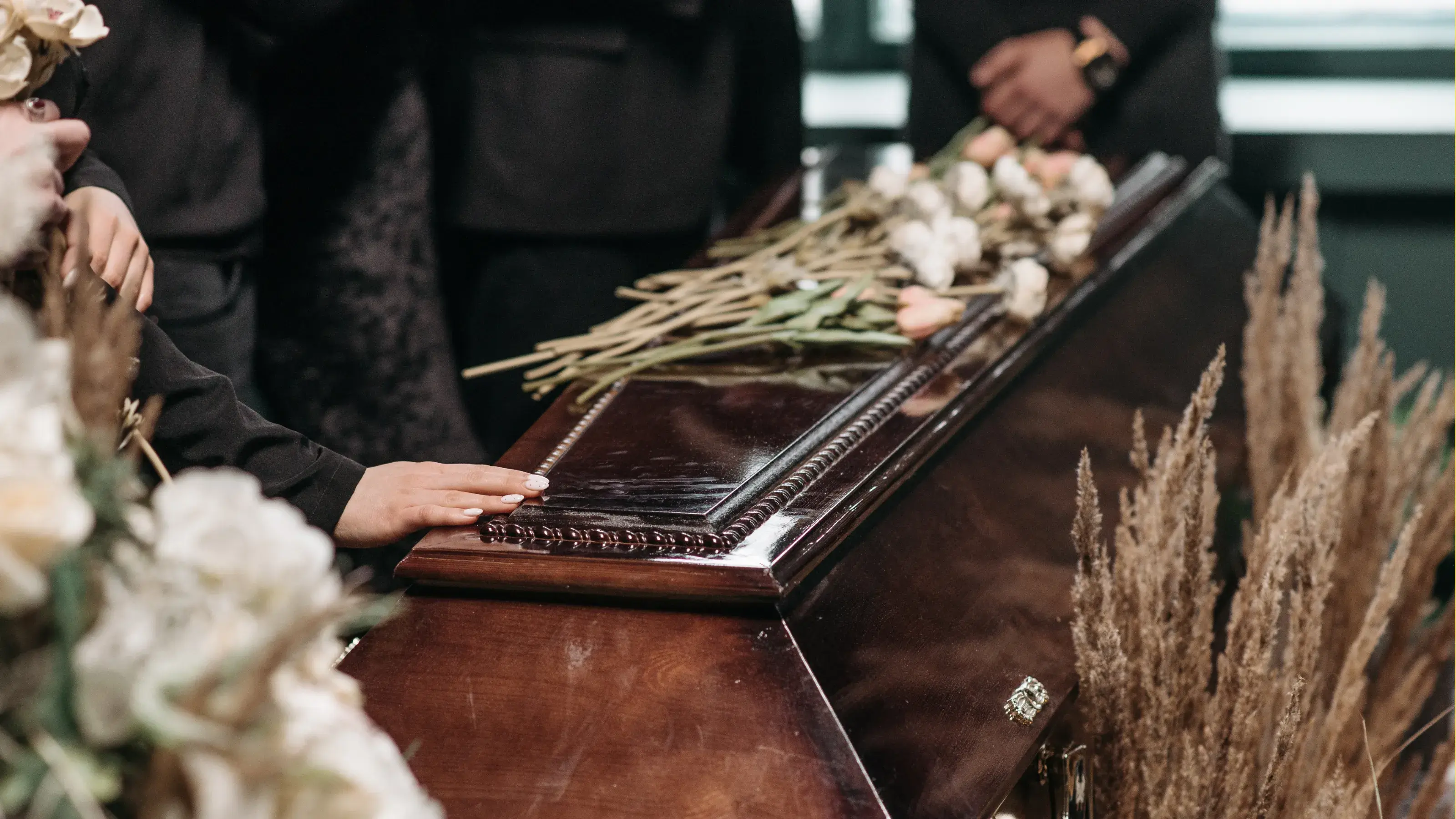
"Learn whether flowers are appropriate at a Muslim funeral, understand Islamic funeral etiquette, and discover respectful ways to offer condolences and support."
When attending a funeral from a different cultural or religious background, it is natural to wonder what is considered respectful. One common question people ask is whether muslim funeral flowers are appropriate. While flowers are often associated with sympathy in many cultures, Islamic funeral customs can differ significantly, and understanding these traditions helps ensure your gesture is thoughtful and appropriate. Every Muslim family may have slightly different customs based on their cultural background, personal preferences, and local traditions. However, Islamic teachings generally place greater emphasis on prayer, charity, and practical support than on floral tributes. The simple answer is that flowers are not forbidden in Islam, but they are not traditionally a central part of Islamic funerals. Unlike many Western funerals, where floral arrangements often surround the coffin or memorial service, Muslim funerals typically focus on simplicity. The funeral is centred on prayer, remembrance of God, and honouring the deceased through dignified burial practices. Some Muslim families welcome flowers, while others may prefer that guests refrain from sending them. If you are unsure, it is perfectly acceptable to ask the family or the funeral organiser beforehand. Islam encourages modesty in both life and death. Funeral customs are designed to avoid extravagance and instead focus on faith, humility, and community support. For this reason, elaborate floral displays are often considered unnecessary. Rather than spending money on expensive arrangements, many Muslims appreciate gestures that directly benefit the family or honour the deceased in meaningful ways. This does not mean flowers are inappropriate in every circumstance. Cultural traditions vary across different countries and communities, and some families choose to include flowers as part of the funeral or memorial gathering. If you learn that flowers are not preferred, there are several thoughtful alternatives. One of the most meaningful gifts is simply expressing your sympathy. A heartfelt message, a phone call, or attending the funeral demonstrates your support. Common expressions include: "I'm so sorry for your loss." "May you find peace and strength during this difficult time." "My thoughts are with you and your family." Many non-Muslims also choose to say, "May they rest in peace," although some prefer to use Islamic expressions if they are familiar with them. Grieving families often appreciate practical assistance far more than material gifts. You might: Prepare a meal. Help with household tasks. Offer childcare. Assist with transport. Check in during the weeks after the funeral. These thoughtful acts often provide lasting comfort. Many Muslim families appreciate charitable donations made in memory of the deceased. Giving to a cause that reflects the person's values can become a meaningful way to honour their life while supporting others. Although flowers are not traditionally emphasised, there are situations where they may still be welcomed. For example: The family specifically requests flowers. The funeral is held in a multicultural setting. Cultural traditions within the family include floral tributes. A memorial service takes place separately from the Islamic burial. In these cases, choosing a modest arrangement is generally more appropriate than an elaborate display. White flowers are often selected because they symbolise peace, remembrance, and respect, but there are no universal rules regarding flower types. Islamic funerals are usually held as soon as possible after death, often within twenty-four hours. The funeral generally includes: Ritual washing of the deceased. Wrapping the body in a simple white shroud. Funeral prayers. Burial rather than cremation. The emphasis remains on prayer, dignity, and community support rather than ceremony or decoration. Understanding these customs allows guests from all backgrounds to attend respectfully. No two families are exactly alike. While Islamic teachings provide general guidance, cultural traditions differ across communities throughout Australia and around the world. If the family has provided funeral information or specific requests, always follow those preferences. Respecting their wishes demonstrates kindness and consideration during an already emotional time. Supporting families from diverse cultural and religious backgrounds requires sensitivity and understanding. Some families may prefer a simple farewell, while others may choose arrangements that allow relatives and friends to gather to remember their loved one. Depending on individual beliefs and preferences, funeral providers may also offer attending service cremation, viewing cremation, or no service cremation options for families whose traditions and circumstances permit those arrangements. The most important aspect is ensuring every farewell reflects the wishes, beliefs, and values of the deceased and their loved ones. At Black Tulip Funerals, compassionate guidance helps families create respectful farewells while recognising the importance of personal, cultural, and religious traditions. For further guidance on Islamic funeral practices and customs, the Islamic Council of Victoria provides helpful information for both Muslims and non-Muslims. Islamic Council of Victoria – Funeral Guide Understanding muslim funeral flowers etiquette is less about following strict rules and more about showing genuine respect for the family's beliefs and wishes. While flowers may be welcomed by some Muslim families, others may prefer prayers, charitable giving, or practical support instead. When in doubt, asking respectfully or following the family's guidance is always the best approach. Small acts of kindness, sincere condolences, and thoughtful support often mean far more than any floral arrangement, helping families feel cared for during one of life's most difficult moments.Are Flowers Appropriate at a Muslim Funeral? Etiquette Explained
Are Flowers Allowed at a Muslim Funeral?
Why Simplicity Is Important in Islam
Alternatives to Sending Flowers
Offer Your Condolences
Provide Practical Support
Donate to Charity
When Flowers May Be Appropriate
Understanding Muslim Funeral Customs
Respecting the Family's Wishes
Funeral Planning With Compassion
Learning More About Islamic Funeral Etiquette
Final Thoughts