
Can You Separate Ashes After Cremation?
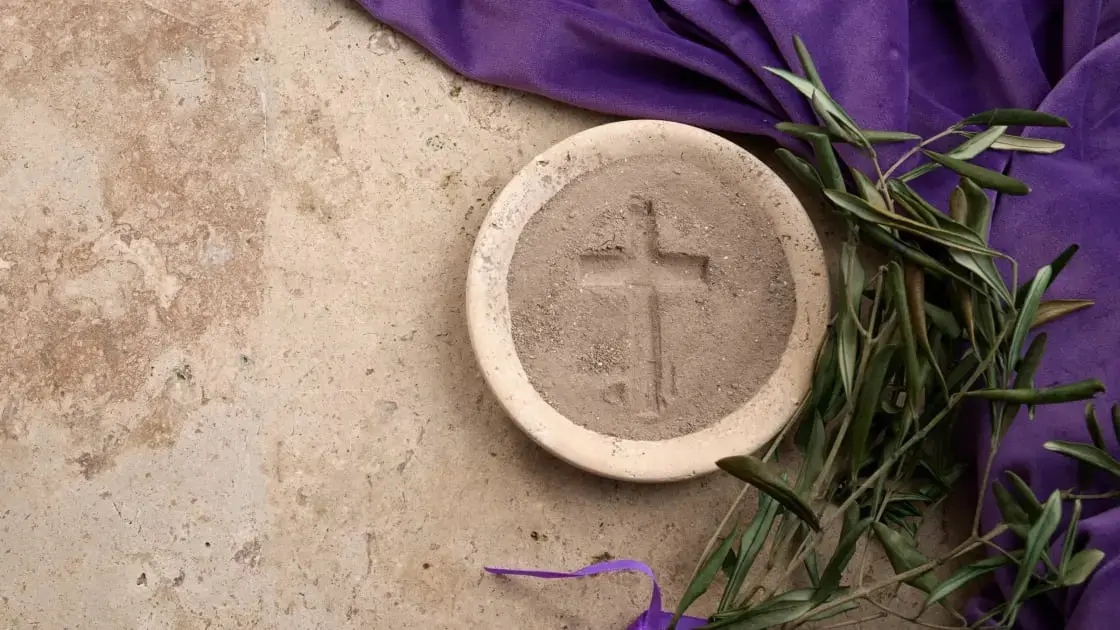
"Learn whether cremated ashes can be separated, who should make the decision, how portions can be transferred and which NSW rules may apply afterward."
Can you separate ashes after cremation?
Yes, cremated remains can generally be divided into two or more portions after they have been returned to the authorised applicant.
Families may choose to share the ashes among relatives, keep a portion at home, scatter them in several meaningful locations or combine different forms of memorialisation.
Although separating ashes is usually possible, the decision should be approached carefully. The deceased person’s wishes, the authority of the cremation applicant, family agreement and the intended destination of each portion should all be considered before anything permanent is done.
Can Cremation Ashes Be Divided?
There is no general requirement in NSW that collected cremated remains must stay together in one container.
Ashes may be divided into equal or unequal portions. A family might keep most of the remains in a principal urn while placing smaller portions into keepsake urns for children, siblings or other close relatives.
Other families may reserve separate portions for:
Burial in a cemetery
Placement in a columbarium or niche wall
Scattering in more than one meaningful location
Keeping at home
Memorial jewellery
Memorial glass or artwork
Transport to another state or country
Separate cultural or family ceremonies
The portions do not need to be mathematically equal. Their size will normally depend on their intended use and what feels appropriate to the family.
Who Can Decide Whether the Ashes Are Separated?
The decision should begin with any clear wishes expressed by the deceased person.
Those wishes may be documented in funeral instructions, estate-planning records or communicated to family members before the death.
In NSW, the cremation authority generally releases the ashes to the person who submitted the cremation application. This person is often a family member, nearest surviving relative or executor.
Before dividing the ashes, consider:
Did the deceased ask for the ashes to remain together?
Was a specific cemetery, memorial or scattering location requested?
Who submitted the cremation application?
Who currently has custody of the ashes?
Have the closest family members discussed the decision?
Are religious or cultural requirements involved?
Is there any unresolved disagreement?
If family members disagree, it is usually better to pause before separating, scattering, burying or incorporating the ashes into a permanent memorial.
Once ashes have been scattered or used in a memorial object, reversing the decision may be difficult or impossible.
Why Families Choose to Separate Ashes
Families divide cremated remains for many personal and practical reasons.
Sharing Ashes Among Relatives
Children, siblings or other relatives may live in different homes, cities or countries. Providing each person with a keepsake portion can allow them to create a private place of remembrance.
Remembering Someone in Different Locations
A person may have meaningful connections with several places, such as a hometown, family property, garden or coastal location.
Separating the ashes allows the family to consider more than one memorial location, subject to the relevant permissions.
Combining Memorial Options
A family may wish to bury most of the ashes while retaining a small amount in a keepsake urn. Others may keep a principal urn at home and reserve another portion for scattering.
Following Cultural or Family Practices
Some families hold more than one memorial event or have relatives in different countries. Dividing the ashes may allow different groups to participate in remembrance.
Religious and cultural beliefs vary considerably, so guidance should be obtained from an appropriate faith or community leader where observance is important.
How Are Ashes Separated?
A funeral director, crematorium or suitable memorial provider may be able to divide ashes and transfer the requested portions into separate containers.
Professional assistance may help with:
Selecting appropriate container sizes
Transferring the ashes carefully
Measuring portions when requested
Sealing each container securely
Labelling the containers correctly
Preparing a portion for a specialist memorial provider
Reducing the likelihood of spilling or mixing remains
Families may also transfer ashes privately. There is no need to claim that cremated remains must never be divided by hand.
However, the process should be prepared carefully and carried out respectfully.
If transferring ashes privately:
Choose a dry indoor space without wind or draughts.
Protect the work surface.
Prepare every urn or container before opening the original container.
Keep the identification details with the remains.
Use clean transfer tools.
Seal and label each container immediately.
Avoid breathing in loose particles.
Keep children and pets away from the area.
NSW Health explains that the high temperature of cremation destroys microorganisms and leaves the ashes inert. There is no general public-health risk from handling them, although breathing in airborne particles may cause respiratory distress or aggravate conditions such as asthma.
Do the Ashes Have to Be Divided Equally?
No. The ashes do not have to be divided into identical portions.
One person might receive a small keepsake amount while the remainder stays in the principal urn. Several family members may receive similar portions, or separate amounts may be reserved for burial and scattering.
Deciding how each portion will be used before the transfer helps determine:
How many containers are required
What size each container should be
Whether a cemetery-approved urn is necessary
Whether specialist packaging is required
Whether one portion will travel overseas
Speak with the relevant cemetery or memorial provider before purchasing containers, as size and material requirements can vary.
Choosing Containers for Divided Ashes
Different containers suit different purposes.
Families may consider:
A principal urn for most of the ashes
Small keepsake urns for individual relatives
Scattering tubes
Sealed travel containers
Cemetery-approved urns
Biodegradable urns where appropriate
Small containers for memorial jewellery or glasswork
Before sending ashes to a memorial provider, ask how much they require and how the portion should be packaged.
Some jewellery and memorial products contain a very small amount of ashes. Others create a symbolic memorial without placing the ashes inside the finished item. Confirm the process before making a commitment.
Separating Ashes Is Different From Scattering Them
Dividing ashes and scattering ashes are separate decisions.
Separating ashes concerns how the remains are divided between containers. Scattering concerns where and how a particular portion is released.
In NSW, permission may be required from:
The owner of private land
The relevant council for public parks, beaches or playing fields
The trustee or managing authority of a park or reserve
The master of a boat before scattering ashes overboard
Councils and other authorities may impose conditions concerning the location, timing or method of scattering.
Policies are not necessarily consistent across NSW. An activity permitted by one council may be restricted on another council’s land.
When planning a scattering:
Check the location’s rules in advance.
Consider other people using the area.
Avoid culturally sensitive or restricted sites without permission.
Check the wind direction.
Scatter close to the ground or water where appropriate.
Do not release plastic urns or other non-biodegradable containers.
Remember that scattered ashes will usually be impossible to recover.
What If a Portion Will Be Placed in a Cemetery?
Cemetery interment has different requirements from scattering.
An interment right generally applies when cremated remains are placed in:
A grave
A dedicated ashes plot
A columbarium
A niche wall
A mausoleum
A crypt or vault
An interment right is a contractual right to use a particular location. It does not mean that the right holder owns the cemetery land.
Cemeteries & Crematoria NSW states that an interment right is not required merely for scattering cremated remains in a cemetery. However, the cemetery operator’s permission, site policies and applicable fees may still need to be confirmed.
Before separating the ashes for cemetery placement, ask the operator:
Whether the chosen memorial location is available
Who may authorise the interment
Which urn dimensions are accepted
Whether particular urn materials are required
What documents must be supplied
Which fees apply
Whether scattering is permitted on the property
Can Part of the Ashes Be Taken Overseas?
A portion of cremated ashes may generally be taken overseas, but the destination country, airline and any transit countries may have their own requirements.
NSW Health advises travellers to contact the relevant consulate and carry the ashes in a sealed container. Supporting documents may include:
A copy of the deceased person’s death certificate
A statement from the crematorium
Identification of the deceased person
The date and place of cremation
Check the airline’s packaging and cabin-baggage rules before travelling. Where the ashes have been divided, keep the transported portion securely sealed and clearly identifiable.
Is There a Deadline for Separating Ashes?
Families do not usually need to divide collected ashes immediately.
They may take the ashes home, discuss the options and revisit the decision when they feel better prepared. Taking time may be particularly helpful when relatives have different views or the intended memorial arrangements have not been finalised.
However, ashes should not be left at a crematorium indefinitely without checking its collection policy.
Under NSW requirements, if the applicant does not collect the ashes within a reasonable period, the cremation authority may give 14 days’ notice before disposing of them.
The distinction is important: there may be no immediate deadline to divide ashes that have already been collected, but collection and storage policies may still apply while they remain with a crematorium or provider.
Cremation Options for Families
The way a cremation is arranged does not prevent the ashes from being divided later.
Families may choose:
Ashes can generally be separated after any of these arrangements once they have been released to the authorised applicant.
Families who are still considering the type of farewell may also read about cremation choices or explore what is included in Black Tulip Funerals’ cremation packages.
Making a Decision That Feels Respectful
Keeping ashes together can represent unity, tradition or a central family memorial. Separating them may allow several relatives to maintain a personal place of remembrance or honour the deceased in more than one meaningful location.
Neither choice is automatically more respectful than the other.
What matters is that the decision considers:
The deceased person’s known wishes
The authority of the cremation applicant
The views of close family members
Cultural or religious practices
The intended destination of every portion
Applicable cemetery, council or property rules
Whether the decision can be changed later
At Black Tulip Funerals, we understand that decisions about ashes can feel both practical and deeply emotional. Our team can explain the available options and help families approach each step with clarity, care and dignity.
To discuss cremation arrangements or the handling of cremated remains, contact Black Tulip Funerals.