
Do You Get Paid to Donate Your Body to Science? What Families Should Know
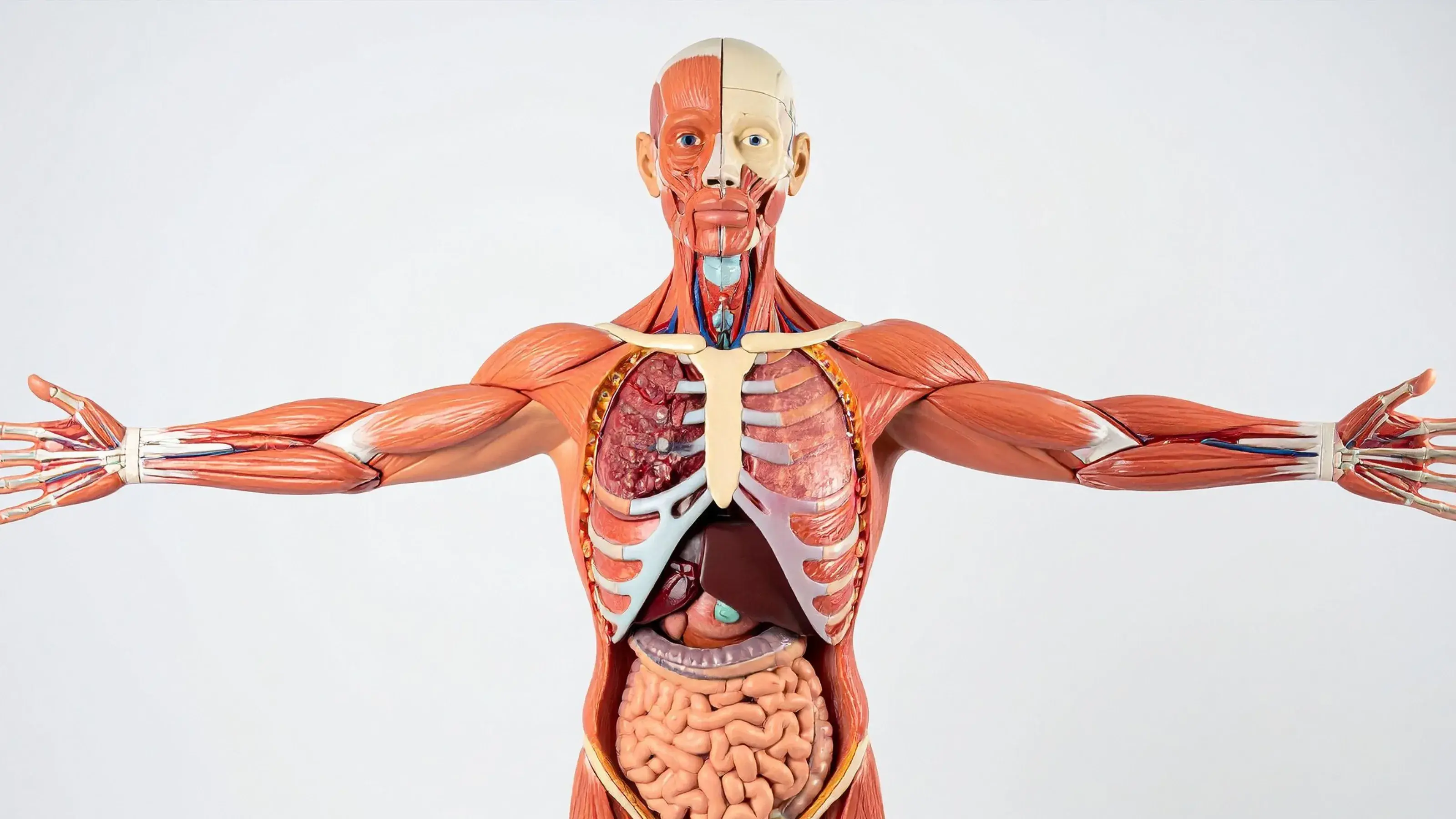
"Learn whether you get paid to donate your body to science, how whole-body donation works in Australia, and what families should know before making this important decision."
Donating your body to science is a generous act that can contribute to medical education, scientific research, and the training of future healthcare professionals. It is a decision that many people make in the hope of leaving a lasting legacy by helping others long after they have passed away. One question that often arises is do you get paid to donate your body to science. While it's understandable to wonder whether compensation is offered, the answer is generally no. In Australia and many other countries, whole-body donation is considered a voluntary gift rather than a paid service. Understanding how body donation works can help individuals and their families make informed decisions that align with their wishes and expectations. Choosing to donate your body is a deeply personal decision. Many donors are motivated by the opportunity to contribute to medical advancements that may improve healthcare for future generations. Body donation programmes are commonly used to: Train medical and nursing students. Support surgical education. Advance anatomical research. Improve medical techniques. Develop new healthcare practices. Without generous donors, many medical professionals would have fewer opportunities to gain practical experience before treating patients. The simple answer is no. In Australia, accredited universities and medical institutions do not pay individuals or their families for whole-body donations. The donation is viewed as an altruistic contribution made for the benefit of education and research rather than a financial transaction. This approach helps ensure that the decision is based on personal values rather than financial incentives. Although payment is not provided, some institutions may cover certain transportation or administrative costs associated with accepting the donation. These arrangements vary between programmes, so it's important to discuss the details directly with the organisation involved. Each body donation programme has its own eligibility requirements. Acceptance may depend on several factors, including: The donor's medical history. Previous surgeries. Infectious diseases. The condition of the body at the time of death. The programme's current capacity. For this reason, registering as a donor does not always guarantee that the donation will be accepted when the time comes. Families should also understand that circumstances surrounding a person's death may affect whether a donation can proceed. If a donation is accepted, the body is transferred to the participating medical institution. It may be used for education or research over a period that can range from several months to a few years, depending on the programme and its purpose. Once the studies have concluded, the institution generally arranges for cremation. The cremated remains are often returned to the family if requested, although policies differ between organisations. Some universities also hold annual memorial services to honour and thank the individuals who donated their bodies for medical education. Yes. Donating a body to science does not necessarily prevent families from holding a meaningful farewell. The timing of the service may differ depending on when the donor's remains are returned, but many families choose to hold a memorial service, celebration of life, or other gathering after the research has concluded. Others prefer to organise a private remembrance shortly after death while waiting for the ashes to be returned. Every family can choose an approach that reflects their loved one's wishes and provides an opportunity to come together in remembrance. If someone wishes to donate their body, it's important to make arrangements well before they pass away. This usually involves: Registering with an approved body donation programme. Completing the required consent forms. Informing close family members. Including the decision in end-of-life planning documents. Having these conversations early helps reduce confusion during an already emotional time. Even when someone has registered as a donor, there are situations where a medical institution may be unable to accept the donation. This may occur because of: Medical conditions. Traumatic injuries. Timing constraints. Limited programme capacity. Public health considerations. For this reason, families should always have an alternative funeral plan in place. Having a backup arrangement provides reassurance that the person's wishes will still be respected if circumstances change unexpectedly. If a body donation does not proceed, or once the donor's ashes have been returned, families have several options for honouring their loved one. Some choose an attending service cremation, allowing relatives and friends to gather, share memories, and celebrate the person's life through a personalised ceremony. Others prefer a viewing cremation, offering close family members a private opportunity to say goodbye before the cremation takes place. A no service cremation may be suitable for families who wish to arrange a simple farewell before holding a memorial at a later date when everyone can gather together. The most meaningful farewell is one that reflects the individual's wishes while providing comfort to those left behind. Because body donation is a significant personal choice, open communication is essential. Explaining your reasons to your family allows them to understand your wishes and prepares them for the process when the time comes. Many families find comfort in knowing that their loved one's final act contributed to educating future doctors, improving patient care, and advancing medical research. Having these conversations in advance can also reduce uncertainty and make practical arrangements much easier. Understanding do you get paid to donate your body to science helps clarify one of the most common questions surrounding whole-body donation. While financial compensation is generally not offered, many donors see the opportunity to contribute to medical education and research as a meaningful legacy that benefits future generations. Before making a decision, it's important to research accredited donation programmes, discuss your wishes with your family, and ensure you have alternative funeral arrangements in place should the donation not be possible. Thoughtful planning provides peace of mind for both you and the people you love. For more information about whole-body donation in Australia, visit the Australian and New Zealand Association of Clinical Anatomists (ANZACA), which provides guidance on body donation programmes and participating institutions.Do You Get Paid to Donate Your Body to Science? What Families Should Know
Why People Choose to Donate Their Body
Do Donors Receive Payment?
Who Can Donate Their Body?
What Happens After Donation?
Can Families Still Hold a Funeral?
Planning Ahead Is Essential
What If the Donation Cannot Be Accepted?
Funeral Options Following Body Donation
Talking to Your Family About Your Decision
Final Thoughts