
Funeral Parties A Modern Way to Celebrate a Life Well Lived
"Learn what funeral parties are, why they're becoming more popular, and how families can celebrate a loved one's life with a meaningful and personalised gathering."
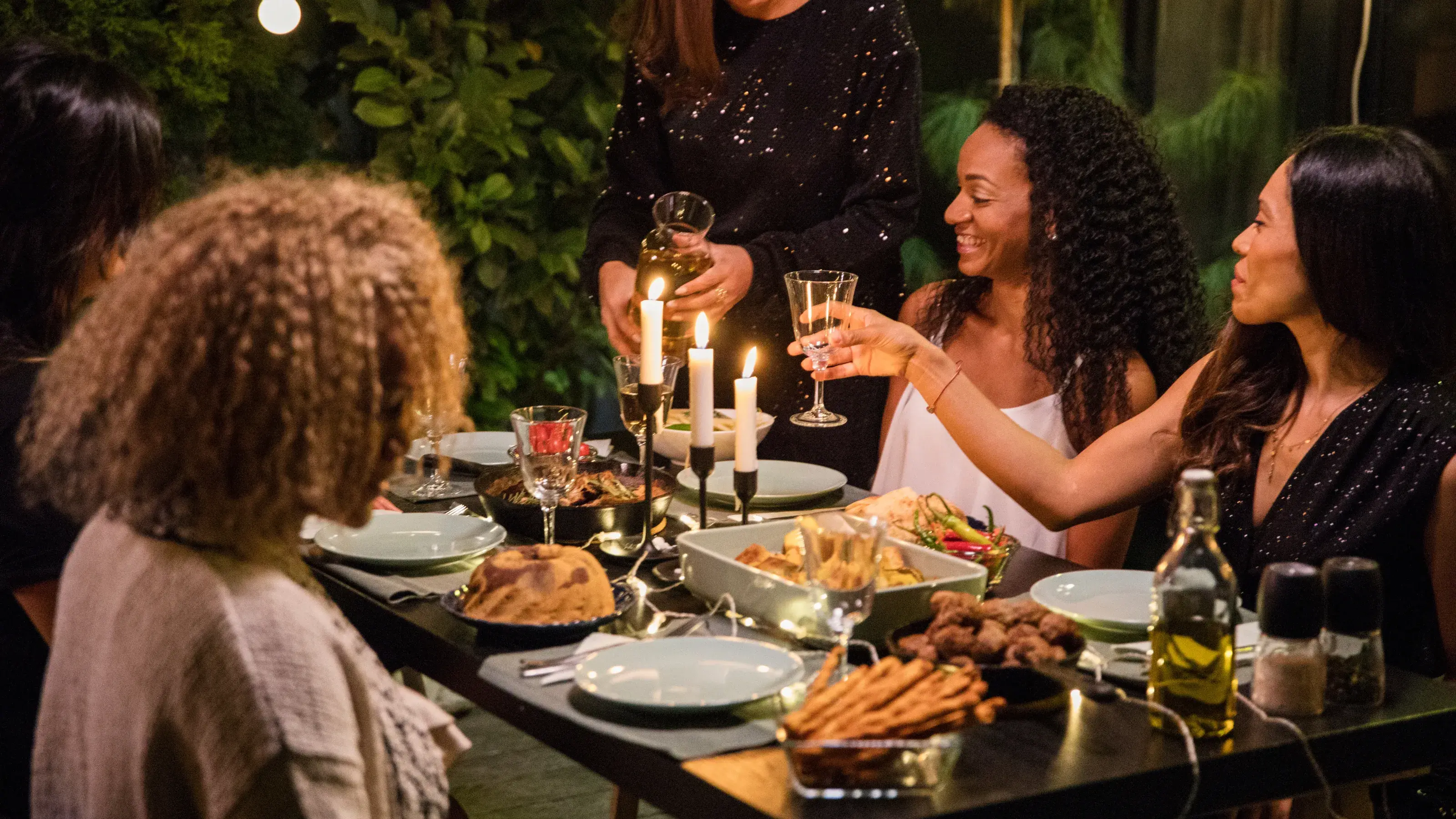
For generations, funerals have traditionally been solemn occasions centred on mourning and saying goodbye. While this remains important for many families, attitudes towards end-of-life celebrations have gradually evolved. More people are choosing to honour their loved ones with gatherings that reflect not only their passing but also the life they lived, the relationships they built, and the memories they created. As a result, funeral parties have become an increasingly popular way to celebrate someone's life. Rather than focusing solely on grief, these gatherings encourage family and friends to share stories, laughter, music, and treasured moments that capture the person's unique personality and legacy. A funeral party is a celebration held to remember someone who has passed away in a more relaxed and uplifting atmosphere than a traditional funeral reception. While the event still acknowledges loss, its focus often shifts towards celebrating a life well lived. Guests may gather to share meals, tell stories, display photographs, watch videos, listen to favourite songs, or participate in activities that reflect the person's interests. Some families hold a funeral party immediately after the funeral service, while others choose a separate date, allowing relatives and friends travelling from afar to attend. Ultimately, there are no strict rules. Every celebration can be tailored to reflect the individual being remembered. Grief is deeply personal, and there is no single way to say goodbye. Many families find that celebrating happy memories alongside moments of sadness creates a more balanced and comforting experience. Rather than leaving with only feelings of loss, guests often leave feeling grateful for the life that was shared. Funeral parties also encourage conversation. Family members may hear stories they've never heard before, learn about different chapters of their loved one's life, and strengthen connections with relatives and friends. These shared memories often become a lasting source of comfort. Every funeral party is unique, but many include activities such as: Sharing favourite memories. Displaying family photographs. Playing meaningful music. Watching video tributes. Serving favourite meals or desserts. Inviting guests to write messages or memories. Lighting candles or making personal toasts. Displaying hobbies, awards, or treasured belongings. Some gatherings are small and intimate, while others resemble large family reunions filled with storytelling and celebration. The atmosphere should reflect the personality of the individual rather than follow a predetermined format. The location often depends on the person's interests and the size of the gathering. Popular choices include: Family homes. Community halls. Restaurants or cafés. Gardens and parks. Beaches. Sporting clubs. Private function venues. Some families choose a location that held special meaning for their loved one, making the celebration feel even more personal. Wherever it's held, the aim is to create an environment where people feel comfortable remembering, connecting, and supporting one another. One of the greatest advantages of funeral parties is the opportunity to personalise every detail. Families might include: Create a playlist featuring songs the person loved throughout their life. Display photographs, travel souvenirs, awards, hobbies, and treasured keepsakes. Serve favourite family recipes, desserts, or meals that everyone associates with the person. Invite guests to write letters, record video messages, contribute to a memory book, or share stories during the gathering. These thoughtful touches often spark conversations and help create meaningful moments that guests remember long after the day has ended. Not every family feels comfortable with the idea of a celebration following a death, and that's perfectly understandable. Some people prefer traditional funeral customs rooted in cultural or religious beliefs. Others find that a quieter service better reflects the personality of the deceased. A funeral party should never feel forced. Instead, it should reflect the wishes of the individual and the needs of those closest to them. Many families also choose a combination of both—a formal funeral service followed by a relaxed gathering where everyone can celebrate a life well lived. A meaningful celebration often begins with a farewell that allows loved ones to come together in remembrance. An attending service cremation provides an opportunity for family and friends to gather, hear eulogies, share readings, and honour the person's life before continuing the celebration afterwards. Some families choose a viewing cremation beforehand, allowing close relatives and friends a quiet, private moment to say goodbye before the larger gathering begins. Others prefer a no service cremation and organise a funeral party at a later date, giving everyone more time to plan a personalised celebration that reflects their loved one's personality. There is no right or wrong approach. Every family should feel empowered to create a farewell that feels authentic and meaningful. While grief can feel isolating, gathering with others often reminds people that they are not alone. Funeral parties encourage conversations that may never happen during a formal service. Someone may share a funny childhood story, a colleague might recall an unexpected act of kindness, or a neighbour may reveal a memory that the family had never heard before. These moments help build a richer picture of the person's life and remind everyone present of the positive impact they had on others. Laughter and tears often exist side by side, and both have an important place in the grieving process. Choosing funeral parties as part of a farewell reflects a growing desire to celebrate life as well as acknowledge loss. While grief remains an inevitable part of saying goodbye, remembering joyful moments, shared experiences, and lasting relationships can bring comfort during an incredibly difficult time. Whether held after a traditional funeral, following a cremation, or as a standalone celebration of life, a funeral party offers family and friends the opportunity to honour someone in a way that truly reflects who they were. By focusing on memories, connection, and love, these gatherings remind us that although a life has ended, its influence continues through the people whose lives were forever changed. For more ideas on planning a meaningful celebration of life, visit Funeral Guide's guide to celebration of life services.Funeral Parties A Modern Way to Celebrate a Life Well Lived
What Is a Funeral Party?
Why More Families Are Choosing Funeral Parties
What Happens at a Funeral Party?
Choosing a Suitable Venue
Personalising the Celebration
Favourite Music
Memory Tables
Signature Foods
Interactive Activities
Are Funeral Parties Appropriate for Everyone?
How Funeral Services Can Complement a Celebration
Supporting One Another Through Shared Memories
Final Thoughts