
Understanding the Grief Journey: Support and Coping Strategies
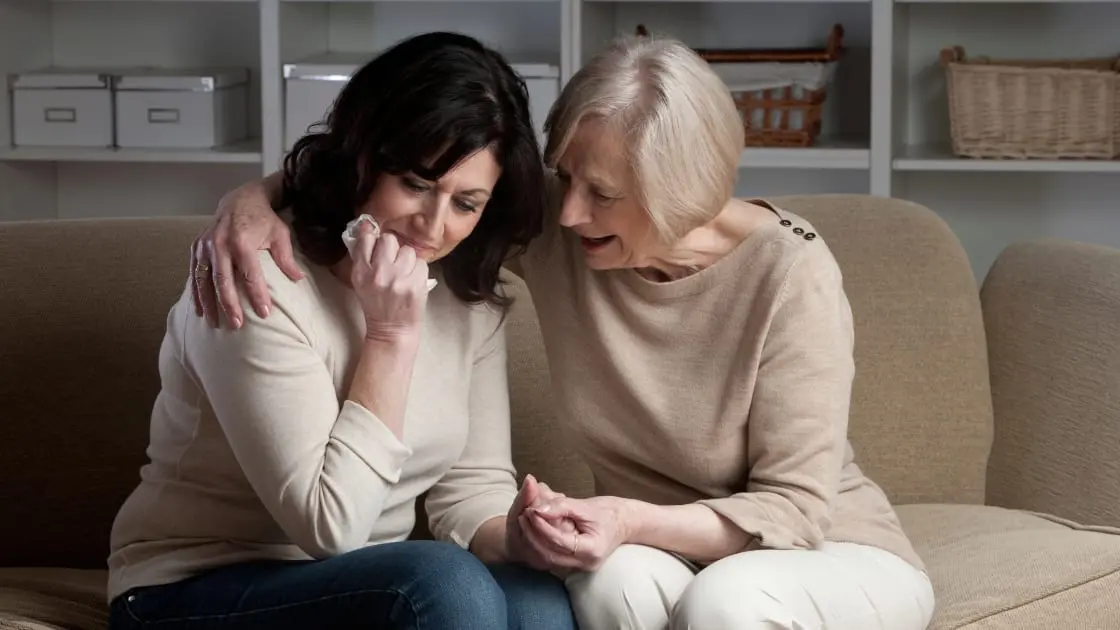
"Every grief journey is different. Learn what grief may feel like over time, how it can affect everyday life and where to find compassionate support in Australia."
“Understand how grief can affect emotions, sleep, concentration and daily life, with gentle coping strategies and Australian bereavement support options.”
Every grief journey is different. It may be shaped by the relationship you had with the person who died, the circumstances of the death, your health, previous experiences of loss and the support available around you.
Culture, family traditions, spirituality and community can also influence how grief is understood and expressed.
There is no universal timetable and no single correct way to grieve. Some people want to talk openly, while others need privacy. Some experience intense emotions immediately, while others feel numb or remain focused on practical responsibilities before the emotional impact becomes clearer.
Understanding these differences can reduce the pressure to grieve in a particular way.
What is a grief journey?
The term grief journey describes the emotional, physical, cognitive, social and practical adjustment that may follow a significant loss.
It does not suggest that grief has a predictable route or destination. Instead, it recognises that a person’s response may change over time.
A grief journey may include:
Adjusting to the person’s absence
Managing changes in household or family roles
Responding to reminders and anniversaries
Navigating financial or practical responsibilities
Finding ways to remember the person
Reconnecting with routines, relationships and future plans
Grief may become less intense over time, but this does not mean the relationship or the memories disappear. Many people gradually find a way to carry the loss while continuing to participate in life.
Grief does not follow a fixed set of stages
The idea of “stages of grief” is widely known, but grief does not necessarily move through denial, anger, bargaining, depression and acceptance in a fixed order.
A person may experience some of these reactions, all of them or none of them. Feelings may overlap, return unexpectedly or change from one day to the next.
For example, you may feel:
Calm while arranging practical matters
Overwhelmed by a photograph or familiar song
Angry about the circumstances of the death
Relieved that someone is no longer suffering
Guilty about experiencing relief or moments of happiness
Numb when others expect you to cry
Deep sadness long after the funeral has ended
None of these reactions automatically means that you are grieving incorrectly.
Grief models may provide language for certain experiences, but they should not be treated as deadlines or instructions.
Common emotions during grief
Grief can involve more than sadness. Emotions may be intense, contradictory or difficult to explain.
Common experiences include:
Shock or disbelief
Numbness
Sadness and longing
Anger or frustration
Guilt and regret
Anxiety about the future
Loneliness
Relief
Confusion
Irritability
A sense of disconnection
Moments of comfort, humour or enjoyment
Feeling relief after a long illness does not mean that you loved the person less. Similarly, experiencing a pleasant moment does not mean that you have forgotten them.
Emotions do not need to appear in a particular order to be valid.
How grief can affect the body and mind
Grief may influence physical wellbeing, thinking and everyday functioning.
Some people experience:
Fatigue or low energy
Changes in sleep
Reduced or increased appetite
Headaches or muscle tension
Restlessness
Difficulty concentrating
Forgetfulness
Reduced motivation
Difficulty making decisions
A feeling of physical heaviness
Increased awareness of their own health
These experiences can occur during bereavement, but physical symptoms should not automatically be attributed to grief.
Speak with a GP if symptoms are new, persistent, worsening or concerning. Severe or unfamiliar chest pain, significant breathing difficulty, fainting or another possible medical emergency requires urgent assessment. Call Triple Zero (000) in an emergency.
Why grief can return unexpectedly
Grief may become more noticeable around:
Birthdays
Anniversaries
Holidays
Family gatherings
Familiar places
Music, smells or photographs
Important life milestones
Changes in family roles
Unexpected reminders during ordinary activities
These reactions are sometimes called grief triggers. A sudden emotional wave does not necessarily mean that you have returned to the beginning of your grief journey.
If certain dates or events are likely to be difficult, consider planning additional support or reducing unnecessary commitments. Our guide to managing grief triggers and sudden waves of sadness explores this experience in more detail.
Gentle ways to support yourself
Coping with grief does not mean removing the grief or forcing yourself to “move on”. It means finding enough support to meet your immediate needs while gradually adjusting to what has changed.
Maintain basic routines where possible
Grief can make ordinary responsibilities feel exhausting. A simple routine may provide some predictability without creating additional pressure.
Depending on your circumstances, this could include:
Eating regular, manageable meals
Taking prescribed medicines as directed
Resting when needed
Getting some daylight or gentle movement
Attending important medical appointments
Completing one practical task at a time
A routine does not need to be perfect. During early grief, basic care may be enough.
For further suggestions, read our guide to self-care strategies while grieving a loss.
Accept your own way of expressing grief
Some people find comfort in talking. Others may prefer writing, creative activity, prayer, cultural practices, exercise or quiet reflection.
You might choose to:
Keep a private journal
Create a memory book
Listen to meaningful music
Visit a significant place
Light a candle
Cook a familiar meal
Participate in a religious or cultural ritual
Spend time with trusted people
Remember the person privately
You do not need to perform grief for others or explain every emotional response.
Reduce unnecessary pressure
Grief can affect memory, concentration and decision-making. Where possible:
Postpone non-urgent major decisions
Write down important information
Ask someone to attend appointments with you
Break administrative tasks into smaller steps
Request practical help with meals, transport or childcare
Allow extra time for everyday responsibilities
Accepting help does not mean that you are incapable. It allows you to conserve energy during a demanding period.
The importance of connection
Grief can feel isolating, particularly after the funeral when regular contact from others may decrease.
Connection does not always require a detailed conversation. It may involve:
Sharing a meal
Walking with a friend
Sitting quietly with someone
Attending a community or faith gathering
Speaking with another person who has experienced loss
Joining a bereavement support group
If you want to support someone else, specific offers are often easier to respond to than saying, “Let me know if you need anything.”
Our guide on how to help someone who is grieving includes practical ways family members and friends can provide support.
Culture, faith and personal beliefs
Australia’s communities hold many different beliefs about death, mourning and remembrance.
Some traditions involve collective mourning, prayer, gatherings or specific periods of observance. Other people prefer a private, non-religious approach.
A person’s cultural or spiritual practices may influence:
How emotions are expressed
Who participates in mourning
What happens during the funeral
How long formal mourning continues
How the person who died is remembered
Whether professional support feels appropriate
Support should respect these differences rather than assume that one model of grief applies to everyone.
If culturally appropriate support is important to you, consider speaking with an elder, faith leader, community organisation or culturally informed counsellor.
The role of a funeral in the grief journey
A funeral or memorial may provide a structured opportunity to acknowledge the death, honour the person and gather with others.
It may include:
Sharing memories
Viewing photographs
Listening to meaningful music
Participating in cultural or religious rituals
Offering a eulogy or tribute
Spending time with family and community
Saying goodbye in a personal way
A funeral does not guarantee closure and does not end grief. It is one moment within a much longer process of adjustment.
Families considering the purpose and value of a service can read more about why people have funerals.
When grief and depression may overlap
Grief and depression can share features such as low mood, reduced energy, sleep disruption and loss of interest. However, they are not automatically the same experience.
A healthcare professional may consider:
How long the symptoms have been present
Their intensity
Whether they are connected mainly to the loss
Their effect on everyday functioning
Feelings of worthlessness or hopelessness
Changes in safety or self-care
Personal and family mental health history
You do not need to decide by yourself whether your experience is grief, depression or both. A GP can assess your symptoms and discuss suitable support.
What is prolonged grief disorder?
For some people, grief remains extremely intense and continues to cause significant impairment in everyday life.
A qualified professional may assess for prolonged grief disorder when symptoms such as persistent longing, preoccupation with the person who died or difficulty adapting to the loss remain severe and disruptive.
Diagnosis is not based only on how much time has passed. A clinician also considers:
The intensity of the distress
The effect on daily functioning
The circumstances of the death
Cultural and religious expectations
Other physical or mental health conditions
Whether depression or trauma may also be present
Missing someone deeply does not, by itself, mean that you have a disorder. Professional assessment is important because ordinary grief, depression, trauma responses and prolonged grief may require different forms of support.
When to seek additional support
There is no deadline for grief. However, it may be helpful to speak with a GP, grief counsellor or mental health professional if:
You are struggling to manage essential daily activities
Sleep or appetite problems are persistent
You feel unable to care for yourself
Anxiety or panic is becoming difficult to manage
Alcohol or other substances are being used to cope
You feel increasingly isolated
Guilt or self-blame feels overwhelming
Distress remains intense and is not becoming more manageable
You experienced a sudden, traumatic or violent bereavement
You are concerned about your own safety
Professional support may include individual counselling, group support, psychological therapy, culturally appropriate services or referral to specialised bereavement care.
Seeking support does not mean that you have failed to cope. It means that your loss and wellbeing deserve attention.
Grief support services in Australia
Australian support options include:
Griefline: Call 1300 845 745 for grief and loss support
Lifeline: Call 13 11 14 for 24-hour crisis support
Beyond Blue: Call 1300 22 4636 for mental health support
13YARN: Call 13 92 76 for Aboriginal and Torres Strait Islander crisis support
Your GP: For physical symptoms, mental health assessment and referrals
If you or someone else is in immediate danger, call Triple Zero (000) or go to the nearest hospital emergency department.
How Black Tulip Funerals can assist
Black Tulip Funerals provides practical and compassionate support with funeral arrangements, including burial, cremation, memorial and service options.
Our team can help families understand the decisions involved in arranging a farewell. However, funeral directors do not replace grief counsellors, psychologists, GPs or crisis-support services.
Where emotional or mental health support is needed, families should be encouraged to connect with an appropriately qualified professional or bereavement service.
Moving forward without leaving someone behind
A grief journey is not about forgetting the person who died or reaching a point where the loss no longer matters.
Over time, many people find ways to remain connected through memories, values, traditions and stories while gradually re-engaging with everyday life.
There may still be difficult days. Anniversaries and reminders may continue to bring emotion. Moments of sadness can exist alongside connection, purpose and even happiness.
Grief does not need to follow a perfect path. With time, practical care and appropriate support, it may become possible to carry the loss in a way that leaves room for both remembrance and continued living.