
How Long Does Probate Take in NSW? Timeline Guide
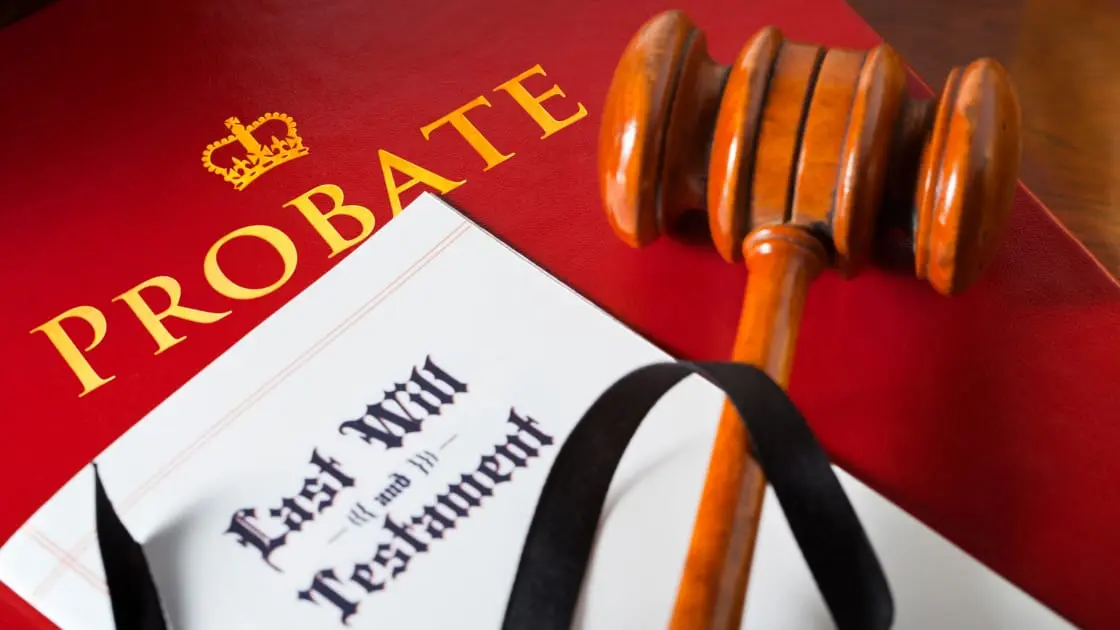
"Left out of a will? Understand the legal grounds for contesting an estate, the time limits in Australia, and how to start a family provision claim"
After someone dies, families often encounter the term “probate” for the first time. One of the most understandable questions is: How long does probate take in NSW?
There is no guaranteed timeframe. A straightforward application may be assessed by the Supreme Court of NSW within several weeks of filing, but the complete period from death to the grant is usually longer. The executor must first locate the original Will, obtain the death certificate, identify estate assets, publish the required notice and prepare the application.
Complex applications, missing documents, Court requisitions or disputes can extend the process by months.
It is also important to distinguish between obtaining probate and fully administering the estate. Probate is one stage. Collecting assets, paying liabilities, resolving taxation and distributing inheritances can take substantially longer.
What Is Probate?
Probate is a grant made by the Supreme Court of NSW.
The grant confirms that the Court has accepted the Will and recognises the executor named in it as the person authorised to administer the estate.
Depending on the estate, the executor may use the grant to:
Access or close bank accounts
Collect investments
Transfer or sell real estate
Deal with institutions holding estate assets
Pay debts and taxation obligations
Distribute the remaining estate according to the Will
Probate does not determine whether every beneficiary is satisfied with the Will. It confirms the executor’s authority to deal with the estate under the accepted document.
The Short Answer: How Long Does Probate Take in NSW?
For a straightforward estate, families should usually prepare for the death-to-grant process to take several weeks to a few months.
This period may include:
Waiting for the official death certificate
Locating and checking the original Will
Confirming which executor will apply
Identifying assets and liabilities
Publishing the Notice of Intended Application
Waiting the mandatory 14 days after publication
Preparing and filing the online probate application
Waiting for the Court to assess it
Responding to any requisitions
The Court’s own processing time varies according to application volumes and the availability of Registrars. Its website publishes the filing dates currently being assessed and should be checked rather than relying on a permanent estimate.
Complex applications may take significantly longer than routine applications.
Probate and Estate Administration Are Different Timelines
People sometimes assume that receiving probate means beneficiaries will be paid immediately. That is not necessarily the case.
The two timelines are:
Probate timeline: From preparation of the application to the Court issuing the grant
Estate-administration timeline: From death until assets are collected, liabilities are resolved and beneficiaries receive their entitlements
A grant may be issued while significant administration work remains.
The Supreme Court indicates that a non-complex estate is generally expected to be fully administered within one year of death. However, this is not a guaranteed completion date. Complicated estates can take considerably longer.
Step 1: Locate the Original Will
The executor should locate the original signed Will and any codicils.
Possible places to search include:
The deceased person’s home
Their solicitor’s office
A bank’s safe-custody service
NSW Trustee and Guardian
A private document-storage service
Personal files or secure storage
A photocopy is not treated in the same way as an original Will. Probate of a copy may still be possible, but additional evidence is normally required.
The Court may need information about:
Searches made for the original
Who last held it
Whether the deceased may have destroyed it
Whether a later Will exists
Who would benefit if the copy were not accepted
A missing original Will can therefore turn a routine application into a complex one.
Step 2: Obtain the Death Certificate
The official death certificate is generally required for the probate application.
The time needed to receive it depends on registration and processing. Delays may occur where:
The death is reported to the Coroner
Medical information is incomplete
Registration details need correction
Additional investigation is required
The executor can begin gathering estate information while waiting for the certificate, but the application cannot be completed without the required evidence.
Step 3: Decide Whether Probate Is Required
Not every NSW estate requires a grant of probate.
A grant will generally be needed where the deceased owned:
Real estate in their sole name
A share of real estate as a tenant in common
Bank accounts or investments above an institution’s release threshold
Assets held by an organisation that requires a grant
Probate may not be required where:
All major assets were held as joint tenants and pass to the surviving owner
Bank balances are small enough for the institution’s deceased-estate process
Assets can be released under an indemnity
Superannuation or insurance is paid directly to an eligible beneficiary
Each bank, insurer, share registry and financial institution may apply different release requirements. The executor should ask the relevant asset holder whether probate is required.
Superannuation does not automatically form part of the estate. The fund’s rules, any valid death-benefit nomination and the trustee’s decision may determine where the benefit is paid. A super fund may still request a grant in some circumstances.
Step 4: Identify Estate Assets and Liabilities
The probate application includes information about the deceased person’s property.
The executor may need to identify and estimate the value of:
Real estate
Bank accounts
Shares and managed investments
Vehicles
Business interests
Personal property
Debts owed to the deceased
Mortgages, loans and other liabilities
Delays can occur when records are incomplete or institutions take time to respond.
Assets held in trusts, companies, jointly owned structures or overseas may require separate investigation and advice. The probate inventory is not always the final estate account, but it must be prepared carefully.
Step 5: Publish the Notice of Intended Application
Before lodging the probate application, the executor must publish a Notice of Intended Application for Probate through the NSW Online Registry.
The notice alerts people who may:
Know about a later or alternative Will
Intend to challenge the validity of the Will
Have an interest in the proposed application
Be aware of an issue affecting the executor’s authority
The application cannot be filed until at least 14 days after the notice is published.
This is the relevant mandatory 14-day period. It is not a separate rule requiring every executor to wait 14 days from the date of death before beginning the process.
The Supreme Court explains the publication requirements on its Notice of Intended Application page.
Step 6: Prepare and File the Application
Most uncontested NSW probate applications are lodged online.
The application generally requires:
A Summons for Probate
An Affidavit of Executor
An inventory of property
The original Will and any codicils
The death certificate
Supporting affidavits where required
The applicable filing fee
Additional evidence may be needed where:
The Will contains alterations or damage
A signature or date is unclear
The executor’s name has changed
An appointed executor has died or renounced
The deceased married after signing the Will
The original Will cannot be found
The Will was not executed formally
There is an unexplained delay in applying
Incomplete or inconsistent evidence may result in a requisition from the Court.
Is There a Deadline to Apply for Probate?
An executor should apply for probate within six months of the date of death.
This does not mean probate must be granted within six months. It means that where the application is filed later, the executor must explain the delay to the Court.
The explanation may be included in the executor’s affidavit or a separate Affidavit of Delay.
Reasons may include:
Difficulty locating the original Will
Delay receiving the death certificate
Uncertainty about who should apply
Extensive asset investigations
Executor illness or incapacity
Negotiations or disputes affecting the application
A late application is not automatically refused, but the Court requires a satisfactory explanation.
Step 7: Court Assessment
After filing, the Supreme Court reviews the application.
The time required depends on:
The Court’s current workload
Whether the matter is routine or complex
Whether all documents were filed correctly
Whether supporting evidence is sufficient
Whether a caveat has been filed
Whether the Court issues a requisition
The Court publishes its current probate processing times. These figures should be checked at the time of filing because they change as application volumes and Registry workloads change.
The dates shown generally indicate which filing dates are being assessed. They should not be treated as a guarantee that every application will be granted within the same period.
What Is a Probate Requisition?
A requisition is a request from the Court for clarification, correction or further evidence.
A requisition does not necessarily mean the application will fail. It means the Registrar cannot grant probate based on the material currently provided.
Common reasons may include:
Inconsistent names or dates
Missing documents
Problems with execution or witnessing
Unexplained alterations to the Will
Questions about marriage, divorce or revocation
Missing information about another executor
An incomplete asset inventory
Insufficient evidence concerning a copy or informal Will
The time needed to answer depends on the issue. Routine corrections may be resolved relatively quickly, while medical evidence, witness affidavits or searches for another Will can cause substantial delay.
Responses to requisitions return to the Court’s processing workflow, so a requisition can add further waiting time.
What Commonly Delays Probate in NSW?
Probate may take longer where there is:
A missing original Will
An informal, unsigned or incorrectly witnessed Will
More than one possible Will
Handwritten or unexplained amendments
A deceased or unwilling executor
Difficulty locating an executor
A probate caveat
Concerns about testamentary capacity
Allegations of undue influence, fraud or forgery
Overseas assets
A business or complex ownership structure
Uncertainty about the deceased’s family relationships
Incorrect application documents
Delayed responses to Court requisitions
A disagreement between beneficiaries does not automatically stop probate. However, a caveat or formal challenge to the Will’s validity can prevent a grant until the issue is resolved.
Our guide on how to dispute a Will in Australia explains probate caveats, validity disputes and family provision claims separately.
Can Probate Be Expedited?
The Supreme Court may consider an expedition request in appropriate and genuinely urgent circumstances.
Examples may include:
A property sold by the deceased before death with settlement approaching
Existing litigation involving the estate
Serious financial hardship affecting a surviving spouse or minor child
Expedition is not automatic. Evidence and specific reasons must support the request.
The Court states that it will not ordinarily expedite an application simply because an executor sold estate real property before obtaining the required grant. Executors should therefore confirm their authority before committing the estate to transactions.
What Happens After Probate Is Granted?
After receiving the grant, the executor may still need to:
Notify banks and investment providers
Close or transfer accounts
Collect estate income
Sell or transfer property
Recover money owed to the deceased
Pay funeral and administration expenses
Pay valid debts
Complete taxation requirements
Resolve claims
Prepare estate accounts
Transfer specific gifts
Distribute the remaining estate
How long these steps take depends on the estate.
A bank account may be released relatively quickly after receiving the required documents. Selling real estate, finalising tax or administering overseas assets may take much longer.
For guidance on financial access before and after probate, see Can an Executor Use a Deceased Bank Account?.
How Long After Probate Is an Inheritance Paid?
There is no single payment deadline that applies to every beneficiary.
Legal Aid NSW advises that an estate generally should not be distributed until at least six months after the date of death, allowing time for potential claims.
In some circumstances, the executor may make an interim distribution. However, early distributions carry risk if the estate later faces:
A debt
A tax liability
A family provision claim
A dispute over a particular asset
An unexpected administration expense
Family provision claims in NSW generally have a separate 12-month deadline from the date of death. Where a claim has been made, threatened or appears reasonably possible, the executor should obtain legal advice before distributing affected assets.
A beneficiary should therefore avoid assuming that probate automatically creates an immediate right to payment.
Notice of Intended Distribution
After the grant, an executor may publish a Notice of Intended Distribution through the NSW Online Registry.
This notice is different from the mandatory Notice of Intended Application published before probate.
Publication is not compulsory in every estate. However, where the relevant legal requirements are satisfied, it may help protect the executor from personal liability for certain claims of which they had no notice before distributing the estate.
The executor must still consider known debts, claims and legal obligations. Publishing a notice does not permit them to ignore an existing dispute.
Why Can Estate Administration Take a Year or Longer?
Even after probate, administration may be delayed by:
Sale of real estate
Tax returns and assessments
Overseas property
Business valuations or sales
Difficulty locating beneficiaries
Trusts for children or vulnerable beneficiaries
Insolvent or debt-heavy estates
Litigation or family provision claims
Disagreement about personal property
Assets that are difficult to value or sell
A testamentary trust may continue for many years even though the initial estate administration has otherwise been completed.
The executor should keep beneficiaries reasonably informed and maintain complete records throughout the process.
Readers seeking a broader explanation can review our executor duties and responsibilities guide.
Where Black Tulip Funerals Can Assist
Black Tulip Funerals does not prepare probate applications, determine whether probate is legally required, interpret Wills or provide succession-law advice.
Our team can assist with funeral-related matters, including:
Arranging burial or cremation
Providing funeral invoices and documentation
Explaining funeral-service options
Coordinating arrangements with the authorised funeral arranger
Supporting families through the immediate practical decisions following a death
Probate applications, caveats, estate disputes and distribution questions should be directed to a qualified NSW succession lawyer, NSW Trustee and Guardian or an appropriate legal service.
A Realistic Final Answer
So, how long does probate take in NSW?
A properly prepared, straightforward application may be assessed within several weeks after filing. However, the complete period from death to the grant is usually longer because the executor must first obtain documents, identify assets, publish the required notice and prepare the application.
Complex evidence, Court requisitions, missing Wills and disputes can extend the probate process by months.
Probate is also not the end of estate administration. Even after the grant, collecting assets, paying liabilities, managing claims and distributing inheritances may take many additional months. A non-complex estate may be completed within approximately one year of death, while a complex estate can take considerably longer.
The most reliable approach is to prepare carefully, monitor the Supreme Court’s current processing times and obtain legal advice where the Will or estate presents complications.