
The Science of Formaldehyde and How Preservation Works at a Cellular Level
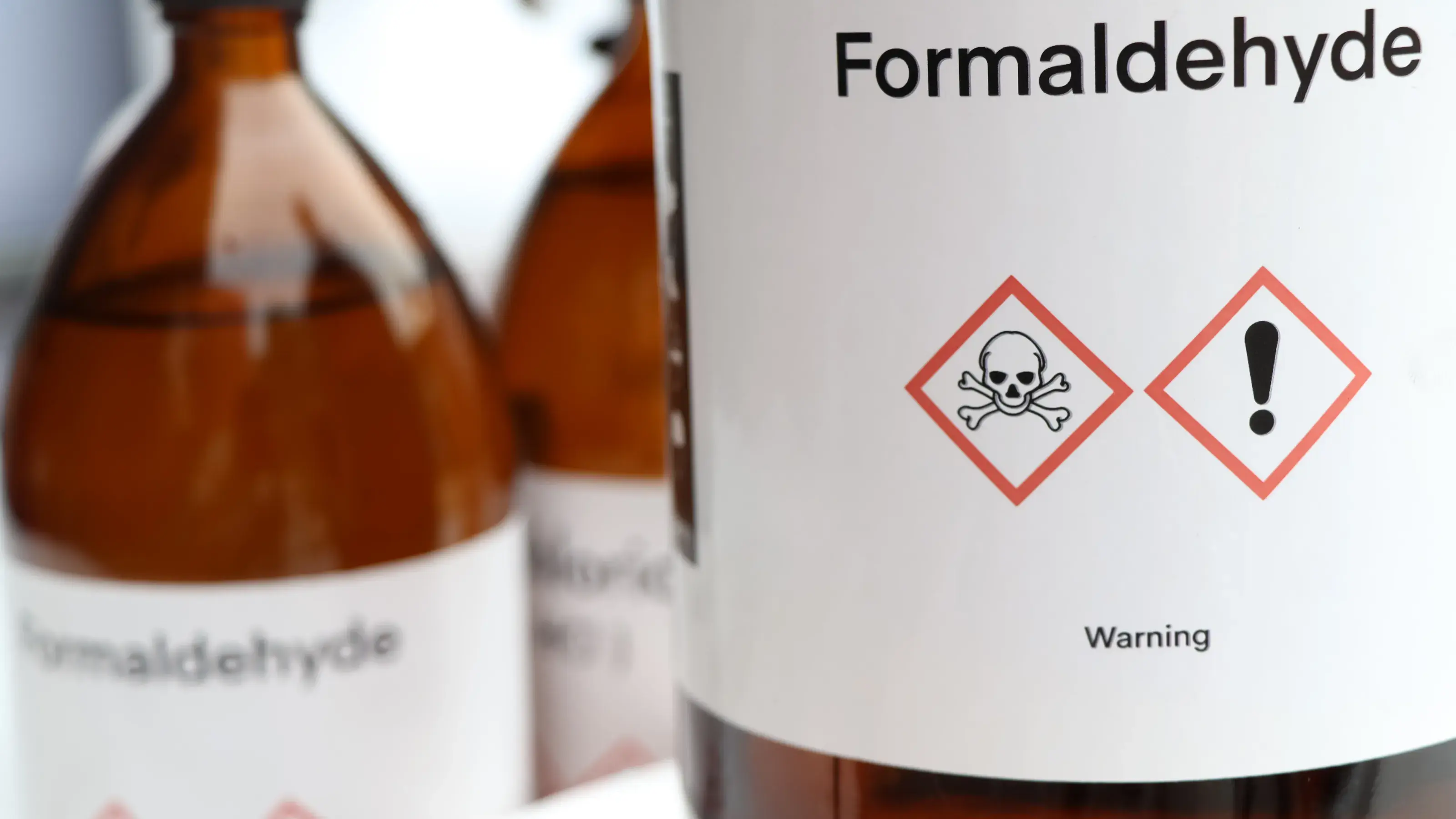
"How does formaldehyde actually preserve tissue at a cellular level? A precise look at the biochemistry behind the embalming process."
To most people, formaldehyde is simply "the preservative chemical." To embalmers and mortuary science students, however, it represents something far more precise, a carefully understood piece of biochemistry that halts decomposition through predictable, evidence-based reactions at the cellular level. Understanding exactly how the formaldehyde embalming process works reveals just how much scientific rigour underpins what is often assumed to be a purely procedural task. The moment cellular life ends, a process called autolysis begins almost immediately. Cell membranes lose their structural integrity, and the enzymes normally contained safely within cells escape into surrounding tissue, beginning to break it down from the inside out. Formaldehyde interrupts this process directly by neutralising these autolytic enzymes, rendering them chemically inactive. Without functioning enzymes to drive self-digestion, this internal breakdown is brought to a definitive stop, buying the time needed for the rest of the preservation process to take hold. At its core, embalming is fundamentally a chemical modification of protein structure. Proteins exist as long, flexible chains of amino acids, held loosely together in life but vulnerable to rapid breakdown after death. Formaldehyde (HCHO) reacts with the primary amine groups present in these amino acid chains, inserting what is known as a methylene bridge, a small structural link, between adjacent protein strands. This reaction, called cross-linking, locks previously loose and decay-prone protein networks into a stable, rigid lattice. It's this molecular restructuring that explains the firmness observed in successfully embalmed tissue, the proteins themselves have been chemically rebuilt into a fixed configuration. Effective preservation cannot occur without addressing the microorganisms responsible for putrefaction in the first place. Bacteria, fungi and viruses all depend on their own protein structures to function and multiply. Formaldehyde acts on these microbial proteins in exactly the same way it acts on human tissue, cross-linking and denaturing them until they can no longer sustain microbial activity. This dual action, preserving human tissue while simultaneously destroying the organisms that would otherwise consume it, is what makes formaldehyde such an effective sanitising agent as well as a preservative. This is where the mathematics of embalming becomes just as important as the chemistry behind it. Index calculation, closely governed under the Australian VET framework for embalming qualifications, determines the concentration of formaldehyde within the arterial solution used for each case. A solution that is too weak leaves insufficient formaldehyde molecules available to cross-link the protein sites present in the tissue, risking secondary decomposition further down the line. A solution mixed too strong, on the other hand, can sear capillary walls on contact, preventing the fluid from achieving the deep tissue penetration required for even, thorough preservation. Getting this balance right requires genuine technical skill, not guesswork. While the chemistry itself is precise and clinical, its purpose is deeply human. Careful, well-calculated preservation allows families the chance for a meaningful viewing before a farewell, giving loved ones the opportunity to see someone at peace one last time. This matters most for families choosing a viewing cremation, where careful preparation directly shapes that final, private moment together. For those planning an attending service cremation, the same standards of professional care apply behind the scenes, even without a viewing beforehand. Families opting for a no service cremation are supported with the same rigorous standards of care and respect throughout. Understanding the science behind preservation reflects the broader level of training and precision expected within the funeral industry. At Black Tulip Funerals, every stage of care is handled with this same attention to technical detail, ensuring families can trust that their loved one is being looked after by properly qualified professionals, not simply following routine. The formaldehyde embalming process is, at its heart, an exercise in exact biochemistry, from halting autolysis to cross-linking proteins and sanitising microbial threats. Far from being a rough or generic procedure, it demands genuine technical understanding and careful calculation to get right. That precision, though invisible to most families, is what allows a final farewell to be carried out with the dignity it deserves. For further reading on the chemistry involved, see SAGE Publications' overview of thanatochemistry and embalming.The Science of Formaldehyde and How Preservation Works at a Cellular Level
Stopping the Body's Own Self-Digestion
Cross-Linking Proteins at the Molecular Level
Sanitation Through Microbial Destruction
Why Precision in Fluid Strength Matters
Where This Science Meets Family Care
Professional Standards Behind Every Service
A Precise Science Behind a Human Moment