
What Are Cremation Ashes Made Of? Facts You May Not Know
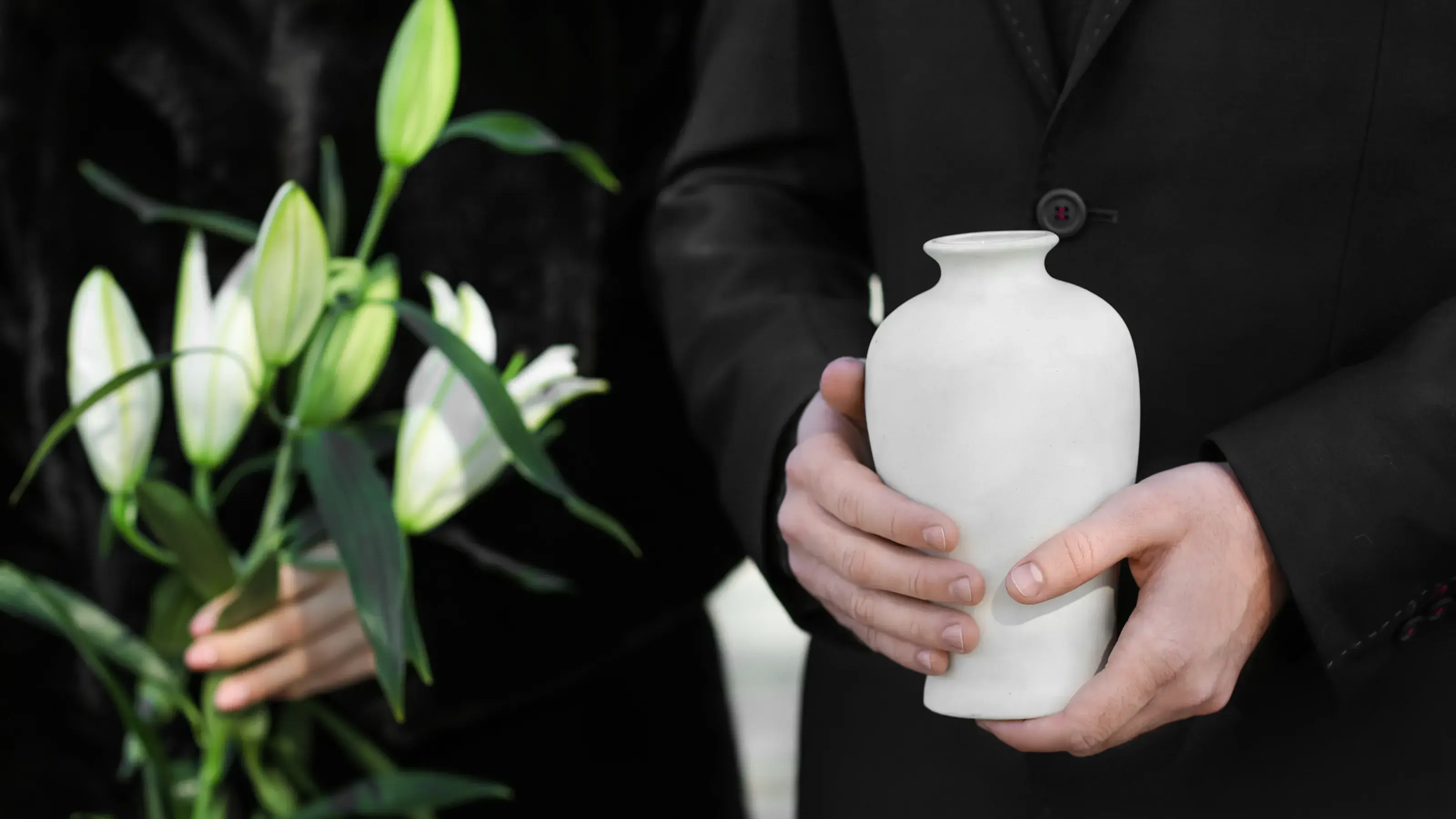
"Learn what cremation ashes are made of, how they are processed after cremation, and common misconceptions about cremated remains in this informative guide."
When someone chooses cremation, families are often left with questions about what happens during the process and what is eventually returned to them. One of the most common questions is about the ashes themselves. Although they are commonly referred to as "ashes", many people are surprised to learn that they are not quite what they imagine. If you've ever wondered what are ashes made of, understanding the cremation process can provide reassurance and help clear up some common misconceptions. Knowing what cremated remains actually consist of can also make it easier for families to make informed decisions about how they wish to honour their loved one. Despite the name, cremation ashes are not the same as the soft ash left behind after burning wood or paper. During cremation, the intense heat removes water, soft tissue, and organic matter from the body. What remains are primarily the mineral components of the bones. These remaining bone fragments are then carefully processed into the fine, sand-like material that families receive after the cremation. So, while the term "ashes" is widely used, cremated remains are made up mostly of processed bone rather than ash in the traditional sense. The cremation process takes place inside a specialised cremator that reaches temperatures typically ranging between 760°C and 980°C. Over the course of several hours: Soft tissues naturally break down. Water evaporates. Organic material is consumed by the heat. Bones remain because of their mineral composition. After the cremation has been completed and everything has cooled, trained professionals carefully collect the remaining bone fragments. These fragments are then placed into a processing machine that gently reduces them into the uniform consistency most people recognise as cremation ashes. The answer to what are ashes made of is surprisingly scientific. Cremated remains consist largely of naturally occurring minerals that were already present within the bones. These include: Calcium phosphate. Calcium carbonate. Small amounts of sodium and potassium. Other naturally occurring trace minerals. Because almost all organic material has been removed during cremation, DNA is generally no longer recoverable from cremated remains. The ashes are completely sterile due to the extremely high temperatures involved in the cremation process. Many people expect ashes to be dark grey or black, but this is rarely the case. Most cremated remains are: Light grey. Pale white. Off-white. Soft beige. The exact colour can vary depending on several factors, including: The person's bone density. Natural mineral composition. The temperature and duration of the cremation. The colour does not indicate the quality of the cremation and is not something families should be concerned about. The amount of cremated remains depends largely on the person's bone structure rather than their overall body weight. On average: An adult's cremated remains weigh approximately 2 to 3 kilograms. Children and infants naturally produce smaller amounts. The ashes are usually returned to the family in a temporary container or an urn selected during the funeral arrangements. Most jewellery, watches, medical devices, and personal belongings are removed before cremation. Certain medical implants, such as pacemakers, must always be removed beforehand for safety reasons. Some families choose to include meaningful items such as letters, flowers, or photographs, but this should always be discussed with the funeral provider beforehand to ensure they are suitable for cremation. There is no single right choice for commemorating cremated remains. Many families choose to: Keep the ashes in a decorative urn. Scatter them in a meaningful location where permitted. Place them in a memorial garden. Inter them in a cemetery. Divide them among family members using keepsake urns. Incorporate a small amount into memorial jewellery or artwork. The decision is entirely personal and should reflect the wishes of the deceased and their loved ones. The return of cremated remains is often an important milestone in the grieving journey, but it is only one part of saying goodbye. Families who choose an attending service cremation are able to gather before the cremation to share memories, hear eulogies, and celebrate the person's life in the company of relatives and friends. Others find comfort in a viewing cremation, allowing close family members the opportunity to spend private moments with their loved one before the cremation takes place. Some families prefer a no service cremation and later organise a personalised memorial or celebration of life once the ashes have been returned, giving everyone the opportunity to gather at a time that feels right. Each option provides families with the flexibility to create a farewell that reflects the individual's life, beliefs, and personal wishes. There are many myths surrounding cremated remains. One common misconception is that ashes contain soot or charcoal. In reality, the high temperatures involved in cremation remove almost all combustible material. Another myth is that ashes are harmful to handle. Cremated remains are sterile and can be safely handled, although many families choose to do so respectfully because of their emotional significance. Finally, some people believe cremation ashes are identical for every individual. While the basic composition is similar, slight differences in colour, texture, and weight are perfectly natural. Understanding what are ashes made of can help families feel more informed during an emotional time. Although commonly called ashes, cremated remains are primarily composed of processed bone minerals that remain after the cremation process has been completed. Learning about the science behind cremation often removes uncertainty and allows families to focus on what matters most—honouring the life, memories, and legacy of someone they deeply loved. Whether the ashes are kept, scattered, or memorialised in another meaningful way, they continue to represent a lasting connection with the person being remembered. For further information about cremation practices and consumer guidance, visit the Australian Funeral Directors Association (AFDA).What Are Cremation Ashes Made Of? Facts You May Not Know
Are Cremation Ashes Really Ashes?
What Happens During Cremation?
What Are Cremation Ashes Made Of?
Why Are Cremation Ashes Different Colours?
How Much Ash Is Produced?
Are Personal Items Cremated Too?
What Can Families Do with Cremation Ashes?
Creating a Meaningful Farewell
Common Misconceptions About Cremation Ashes
Final Thoughts