
Meaningful Ways to Honour a Death Anniversary
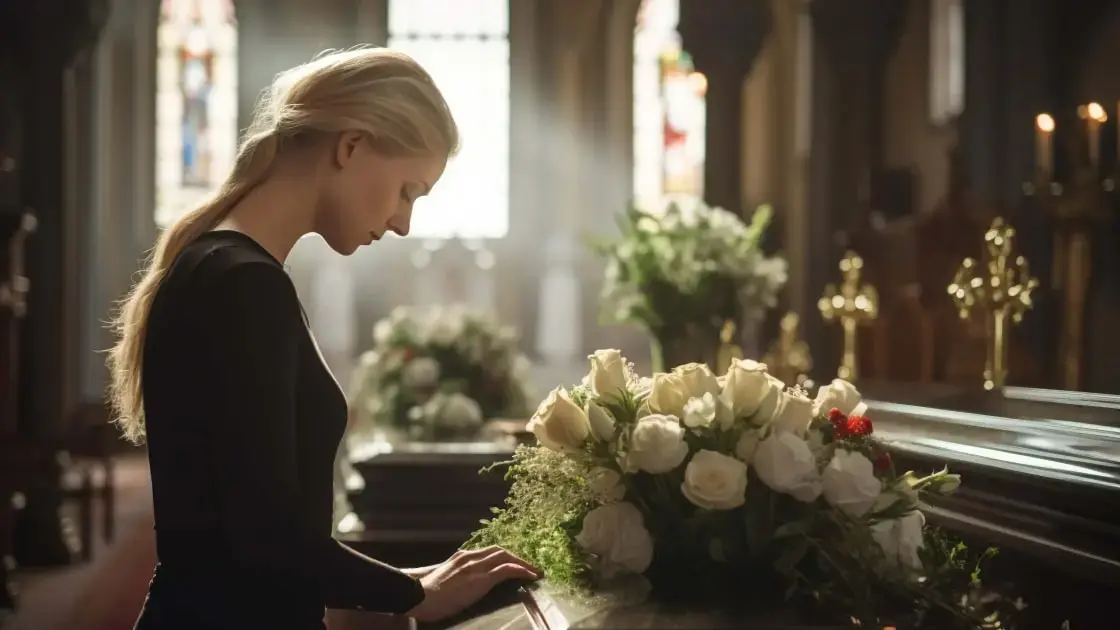
"Explore thoughtful ways to remember someone on their death anniversary, from private reflection and shared meals to memory books and acts of kindness."
A death anniversary can bring sadness, gratitude, uncertainty or a wish to spend time quietly. You might want to gather with family, visit a meaningful place or continue your usual routine while keeping someone in your thoughts.
There is no required ceremony and no expectation to make the day feel positive. Honouring someone can be as simple as cooking their favourite meal or speaking their name.
The most suitable approach is one that respects your feelings, your circumstances and the person you are remembering.
What Is a Death Anniversary?
A death anniversary marks the date someone died. Families may acknowledge it each year, observe particular milestones or choose another meaningful date for remembrance.
For some people, the anniversary has religious or cultural significance. Others approach it privately, without a formal tradition.
You might remember a parent through a familiar recipe, a partner through a favourite walking route or a friend through a song you enjoyed together.
You can also choose to do nothing organised. The importance of a relationship is not measured by how visibly you mark the date.
Why Anniversaries Can Bring Grief Back Strongly
An approaching anniversary may bring memories of the person, the circumstances of their death or how life has changed since then.
Grief Australia explains that significant dates can prompt renewed feelings of grief, sometimes called an anniversary reaction. This does not automatically mean you are coping poorly.
You may feel differently from other relatives, or differently from how you felt last year.
It can help to make a flexible plan rather than expecting yourself to know exactly what you will need. You could arrange a short visit with someone you trust while leaving the rest of the day open.
Grief Australia’s resource on anniversaries and significant events offers further guidance.
Ten Meaningful Ways to Remember Someone
The following death anniversary ideas can be adapted to your family, beliefs and budget. Choosing one small activity may be enough.
1. Light a Candle
A candle can create a quiet moment of remembrance at home or during a gathering.
You might place it beside a photograph, say the person’s name or sit for a few minutes without speaking. A flameless candle offers an alternative where an open flame is unsuitable.
There is no need to prepare special words.
2. Visit a Meaningful Place
You could visit a grave, memorial garden or place associated with happy memories.
It might be a beach where you spent holidays, a local park or a café you regularly visited together. A meaningful place does not need to be connected to the funeral.
If visiting feels difficult, invite someone to accompany you or choose another way to remember.
3. Cook Their Favourite Meal
Food can hold memories of ordinary life: Sunday lunches, birthday cakes or a recipe someone never wrote down.
Prepare a favourite dish and invite others to share it, or make a small portion for yourself.
If children or younger relatives are interested, show them how the recipe is made and explain why it matters to your family.
4. Gather for a Small Meal or Walk
A remembrance gathering can be informal. A picnic, afternoon tea or short walk gives people an opportunity to spend time together without a full ceremony.
Let guests know what to expect. For example, you might explain that there will be a meal and an optional opportunity to share a memory.
Nobody needs to speak publicly to take part.
5. Write a Letter
A private letter can hold whatever you wish you could tell the person.
You might write about something that happened during the year, a memory that returned unexpectedly or a quality you still admire in them.
Keep the letter in a journal, place it in a memory box or share part of it with someone you trust. It does not need to be polished or finished.
6. Create a Memory Book
Collect photographs, recipes, handwritten notes or short stories.
Ask relatives and friends whether they would like to contribute a memory. Specific details can be especially valuable: how someone greeted visitors, the expression they always used or the small kindnesses others remember.
A memory book can grow over time. You do not have to complete it on the anniversary.
7. Listen to Meaningful Music
Choose a few songs connected with the person’s life.
They could be songs played at the funeral, music they listened to while cooking or something that reminds you of a shared experience.
Listen alone, make a playlist or invite family members to suggest a track. If a song feels too difficult that day, you can leave it for another time.
8. Make a Donation or Offer Your Time
An act of kindness can reflect something the person valued.
You might support a local community organisation, volunteer for a cause they cared about or help someone in a way that reminds you of their generosity.
Choose an amount of money or time that is comfortable for you. There is no obligation to make a financial contribution.
9. Plant Something in Their Memory
A plant can provide an ongoing point of remembrance.
Consider a potted herb they used in cooking, a favourite flower or a suitable tree where permission and space allow.
Choose something manageable for your home and climate. The meaning lies in the association with the person, rather than the size or expense of the planting.
10. Continue Something They Enjoyed
You could watch their favourite film, follow their sporting team, work on a craft or take a walk they loved.
These activities can bring remembrance into everyday life. They also allow people who prefer less formal observances to acknowledge the date in their own way.
You may discover that an ordinary activity feels more suitable than organising a gathering.
Preparing for the First Anniversary
The first death anniversary may feel significant because it marks a full year since the death. You may be unsure what to expect or feel pressure to organise something for everyone.
Start with a few practical questions:
Would I prefer company, privacy or a combination?
Is there one activity I would like to do?
Who could I contact if the day becomes difficult?
Can any non-essential commitments be moved?
Would I prefer to remember on another day?
Keep arrangements easy to change. A planned gathering can become a short visit, and a visit can be postponed.
Later anniversaries can also matter deeply. There is no timetable for when the date should become easier.
When Family Members Want Different Things
One person may want to visit the cemetery while another prefers a meal at home. Someone else may wish to spend the day privately.
Talk about preferences without requiring everyone to participate in the same activity.
You could share a meal on the weekend while leaving the anniversary itself open for individual observance. Relatives living elsewhere might contribute a photograph or join a short video call.
Where faith or cultural traditions are important, discuss expectations with the relevant family members or community leader.
The aim is to make room for different relationships with the person who died.
Remembering Privately or Online
For some families, remembering a loved one includes sharing photographs and stories online. Others prefer to keep the anniversary within a smaller circle.
Before posting, consider whether close relatives are comfortable with the image, wording and details being shared.
A private family album or group message may feel more suitable than a public tribute.
If you would like help finding words, our guide to what to say on a death anniversary includes thoughtful message examples.
You can also mark the day without writing anything publicly.
Supporting Someone Else on the Anniversary
If someone close to you is approaching an anniversary, a simple acknowledgement can show that you remember.
You might say:
“Thinking of you and remembering Alex today. Would you like some company?”
Offer something specific, such as bringing lunch or joining them for a walk, while making it easy to decline.
Avoid assuming they want a surprise gathering or a public tribute. Ask before making plans on their behalf.
Our grief journey and coping strategies guide explores broader experiences of grief and ways to find support.
When Additional Support May Help
An anniversary can be difficult even when you have been managing daily life. You do not need to handle it alone.
If grief is causing ongoing intense distress or making everyday activities difficult, consider speaking with a GP, counsellor or bereavement professional.
Healthdirect’s grief and loss guidance explains different support options and when professional help may be useful. You can seek support whenever you need it; you do not have to wait for an anniversary or a particular amount of time to pass.
Remembrance Beyond the Funeral
A funeral may provide an early opportunity to gather, while anniversaries allow remembrance to continue in personal ways.
For families arranging an initial farewell, Black Tulip Funerals offers Attending Service & Cremation, Private Viewing & Cremation and No Service Cremation, each providing a different level of family involvement.
An anniversary does not require another purchased service. A photograph on the table, a shared story or a quiet moment may be all you want.
Honouring the Day in Your Own Way
You do not have to recreate last year’s observance or establish a tradition that continues forever.
Choose what feels manageable now. You can gather, reflect privately, continue your routine or change your plans as the day unfolds.
Honouring someone can happen through the small details of how you remember them: making their recipe, repeating their stories or carrying forward something they taught you.
Those connections can remain meaningful on the anniversary and throughout the year.